In August 2025, I visited the the Greek city of Thessaloniki with my wife Bron and daughter Ellie. We went to see archaeological and historical sites associated with the Apostle Paul.
Here are some photos of the sites and museum exhibits. They help to provide context for New Testament texts associated with Thessalonica (=Thessaloniki). Enjoy!
Paul arrives in Thessalonica
After Paul and Silas left Philippi, he travelled via Amphipolis and Apollonia:
Now when they had passed through Amphipolis and Apollonia, …
(Acts 17:1a ESV)
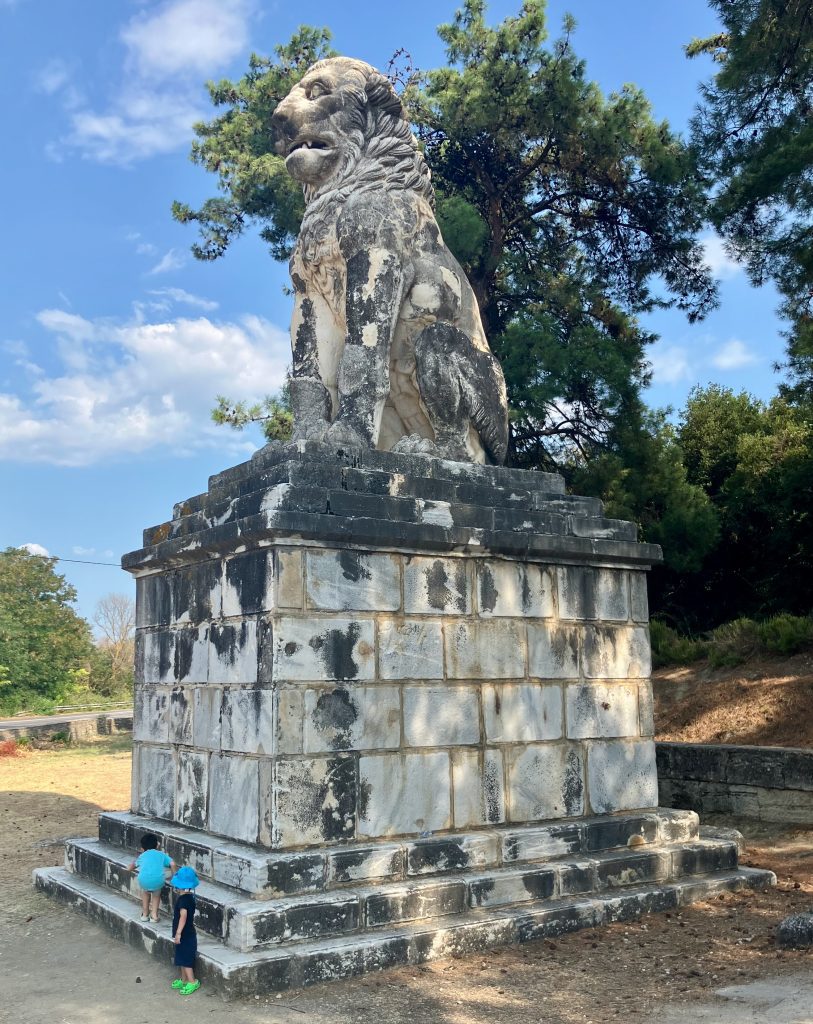
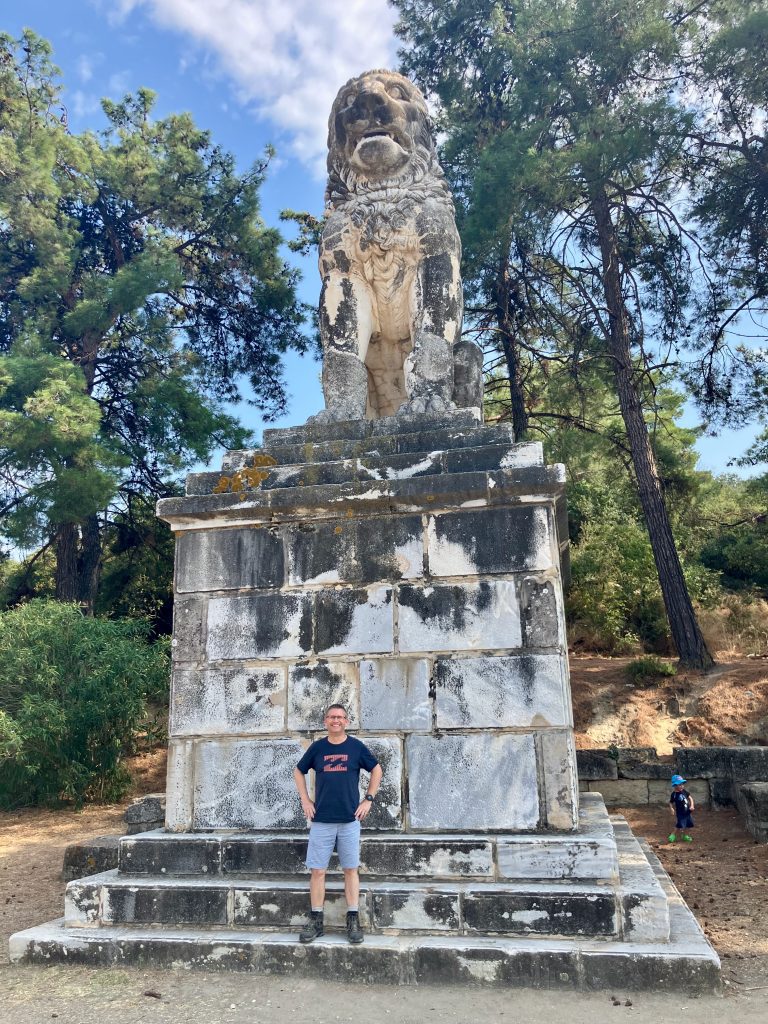
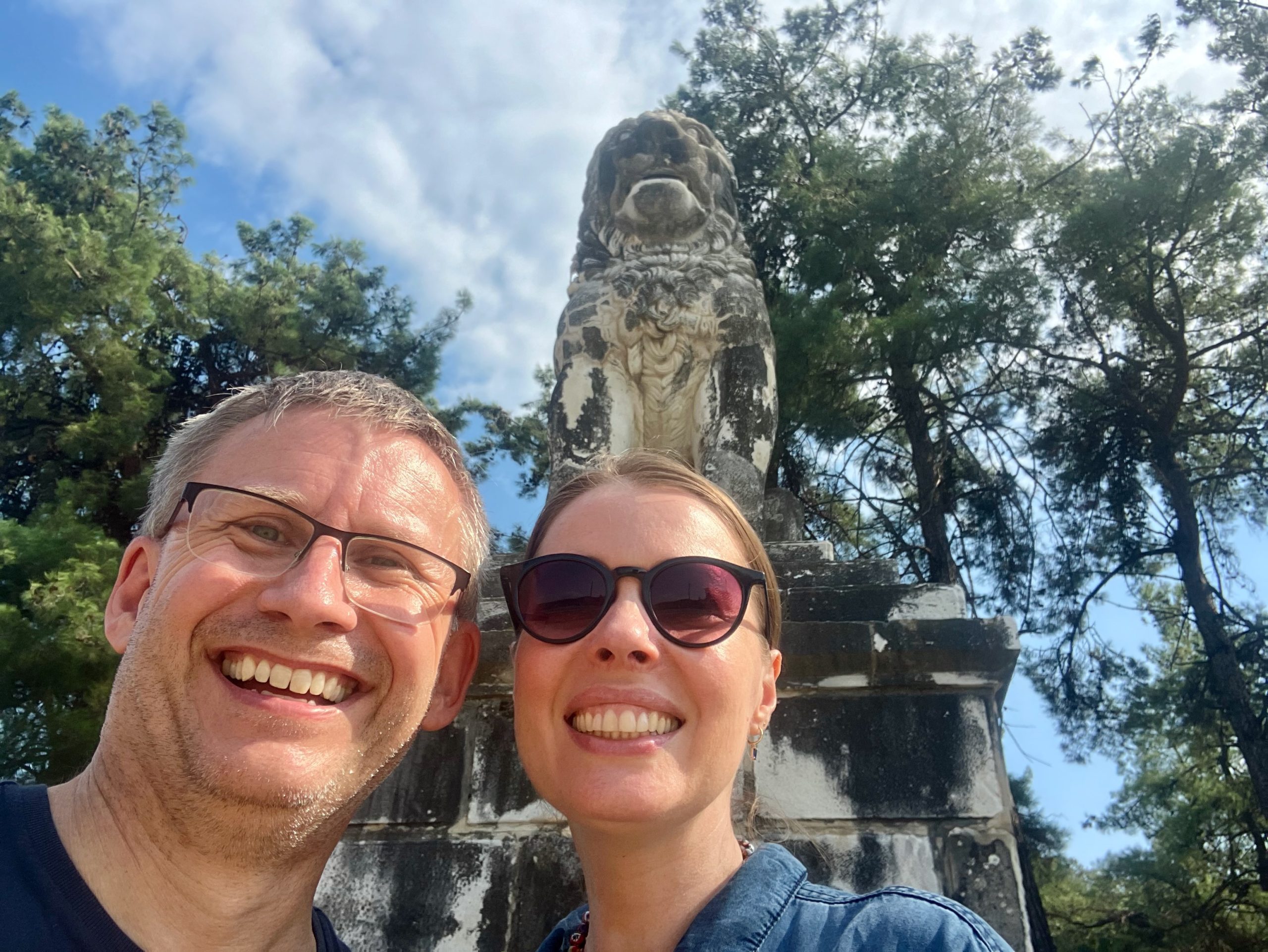
At Amphipolis there is a monument called the Lion of Amphipolis. It was originally a tomb sculpture honouring a general in the army of Alexander the Great.
Paul arrived in Thessalonica and preached about Jesus Christ in a synagogue, with some success:
… they came to Thessalonica, where there was a synagogue of the Jews. And Paul went in, as was his custom, and on three Sabbath days he reasoned with them from the Scriptures, explaining and proving that it was necessary for the Christ to suffer and to rise from the dead, and saying, “This Jesus, whom I proclaim to you, is the Christ.” And some of them were persuaded and joined Paul and Silas, as did a great many of the devout Greeks and not a few of the leading women.
(Acts 17:1b–4)
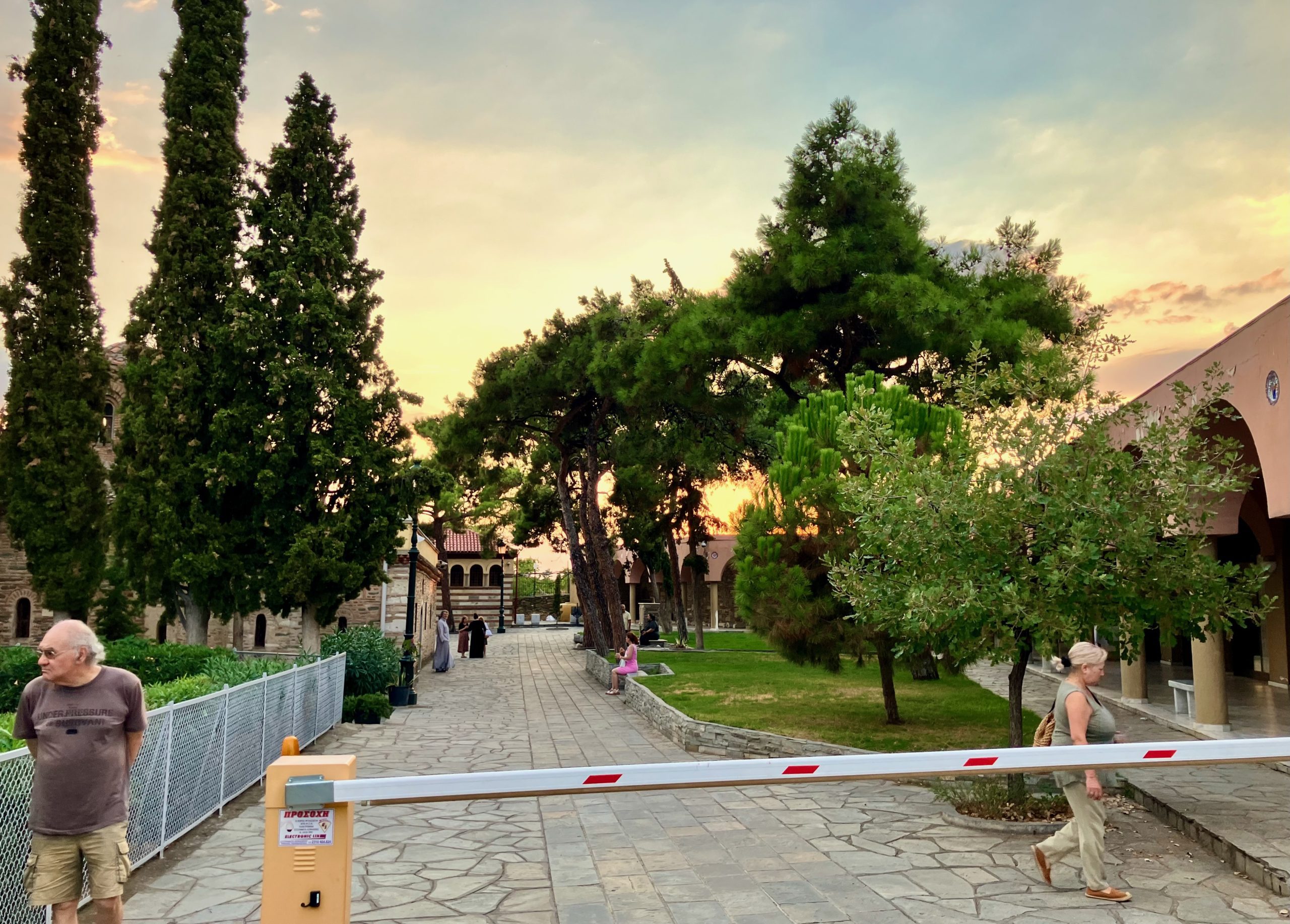
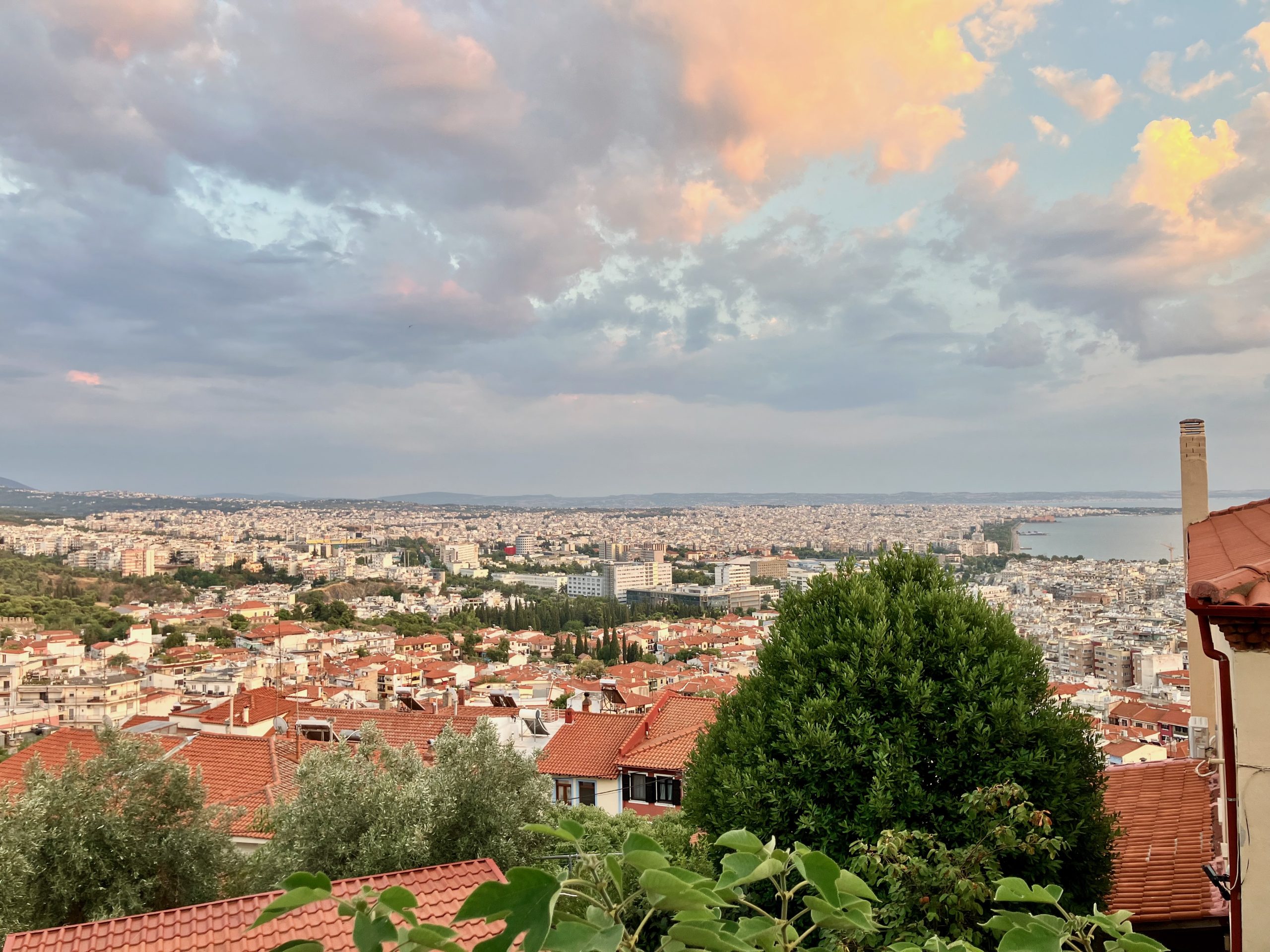
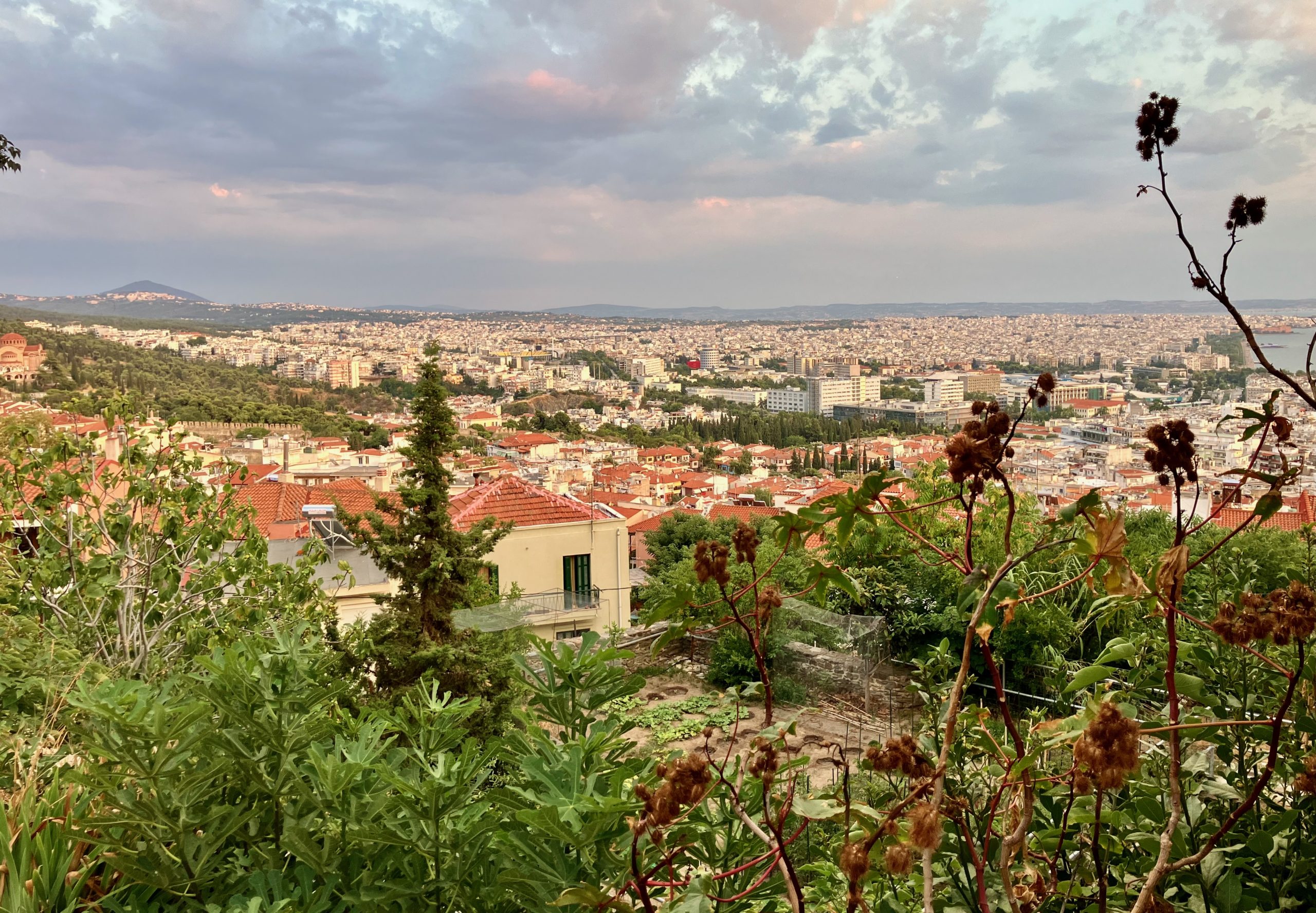
We don’t know precisely where Paul and Silas stayed or where the synagogue Paul preached in was located. We do know that the ancient city was up on the slopes, above the modern CBD of Thessaloniki (which is on the flatter land nearer the coast). The traditional site where Paul stayed is now a Monastery overlooking the city (the Vlatadon Monastery):
Paul’s hard labour
Later, when writing to the Thessalonians, Paul emphasised the fact that when he was among them he had worked with hard labour, to give them an example and instruction to work with their own hands:
For you remember, brothers, our labour and toil: we worked night and day, that we might not be a burden to any of you, while we proclaimed to you the gospel of God.
(1 Thessalonians 2:9)
… aspire to live quietly, and to mind your own affairs, and to work with your hands, as we instructed you, so that you may walk properly before outsiders and be dependent on no one.
(1 Thessalonians 4:11–12)
nor did we eat anyone’s bread without paying for it, but with toil and labor we worked night and day, that we might not be a burden to any of you. It was not because we do not have that right, but to give you in ourselves an example to imitate. For even when we were with you, we would give you this command: If anyone is not willing to work, let him not eat.
(2 Thessalonians 3:8–10)
This idea of working with hard labour and with one’s own hands had significant social implications in the ancient Greco-Roman world. It put a person into the category of a “labourer”–a lower class person who had to earn a living and hadn’t made it into the higher social economy of patron-client relationships, where clients were dependent on patrons and in turn were expected to praise and honour their patrons. Paul didn’t want to preach the gospel within that kind of social structure, as if he was a client of the Thessalonian patrons. And he didn’t want believers in Jesus to enter into that kind of social structure either. They were dependent on Jesus and needed to act in love toward one another, not to get caught up in the honour and shame systems of their neighbours. So, to ensure he was preaching the gospel clearly and providing this example, he laboured and worked.
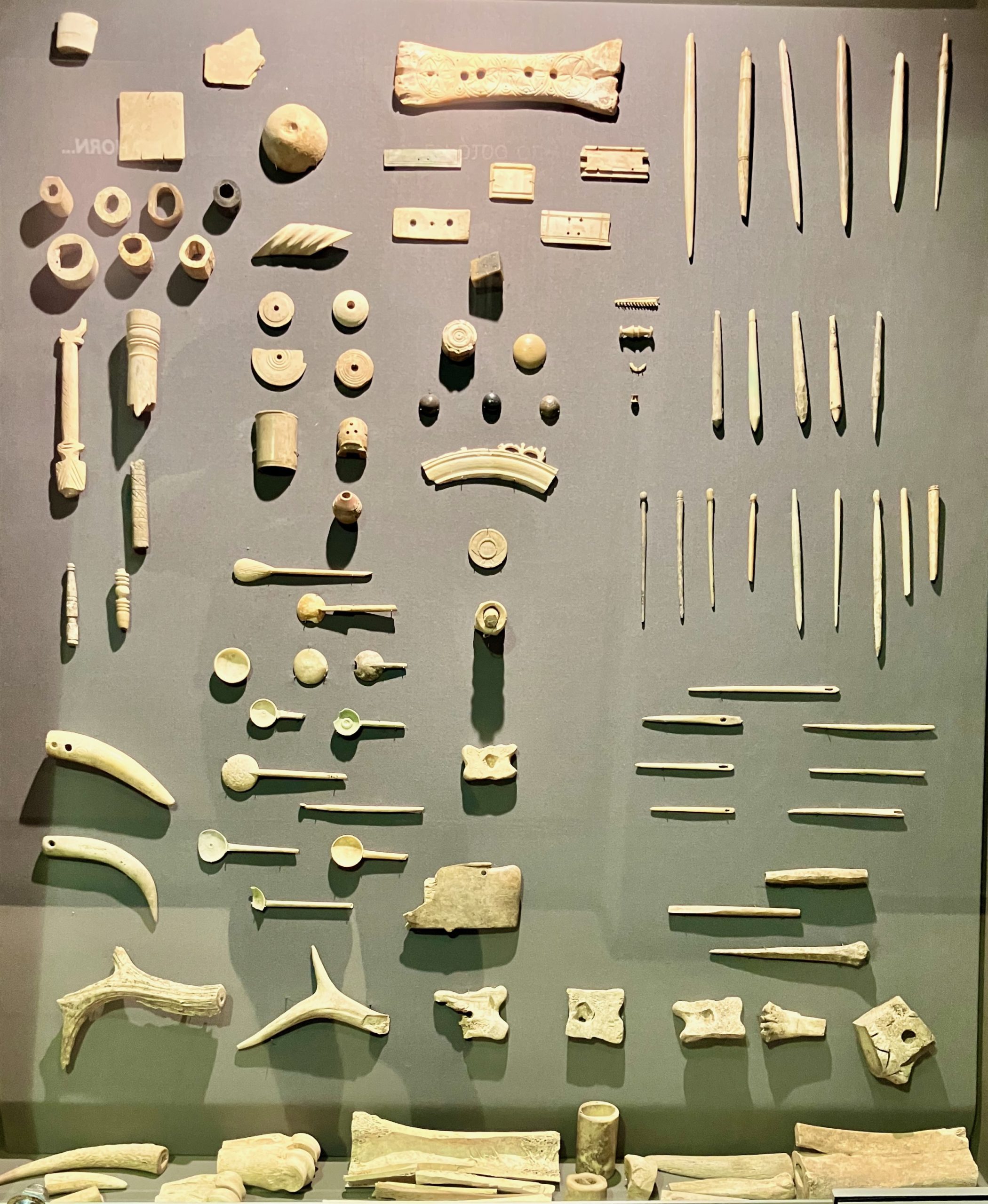
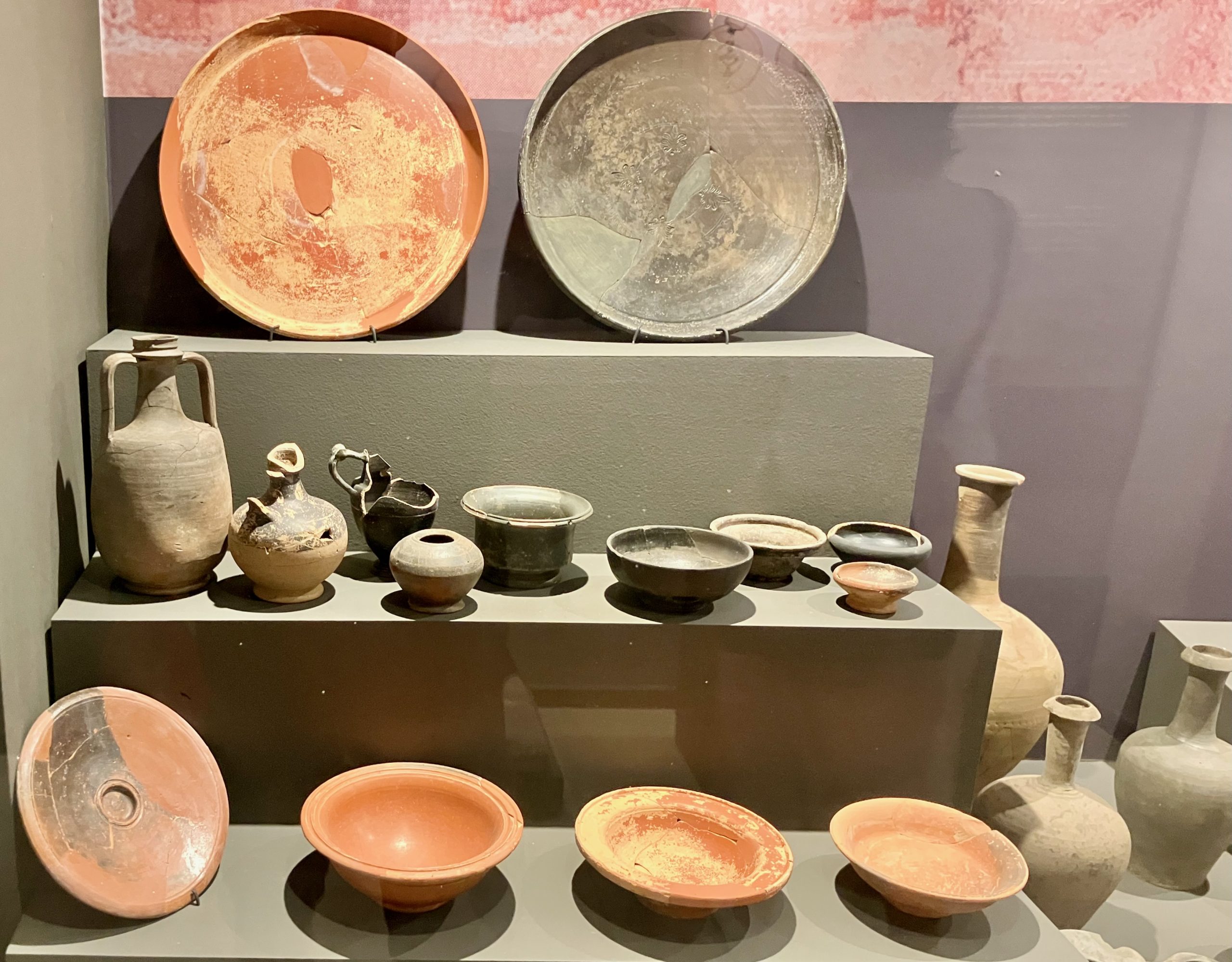
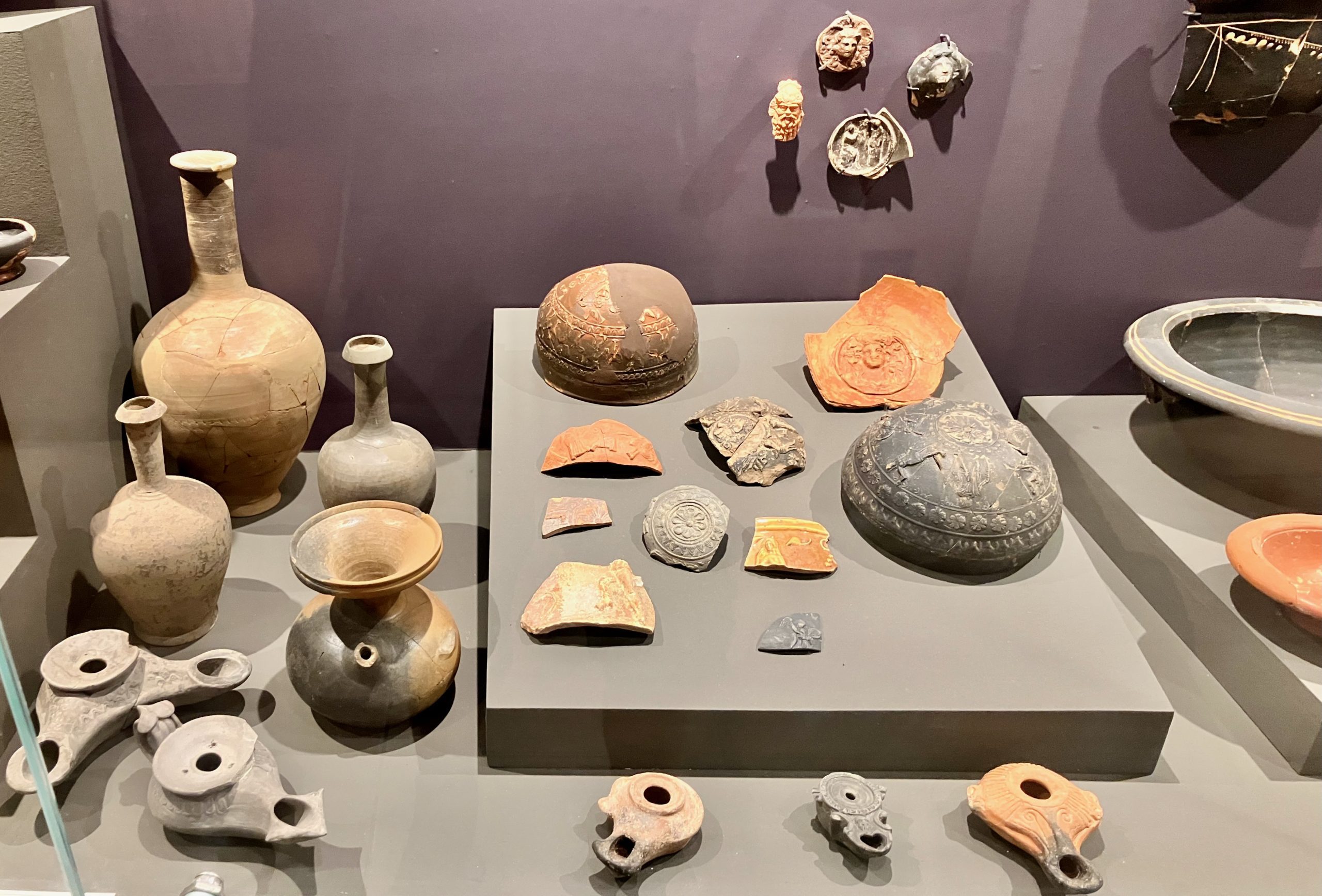
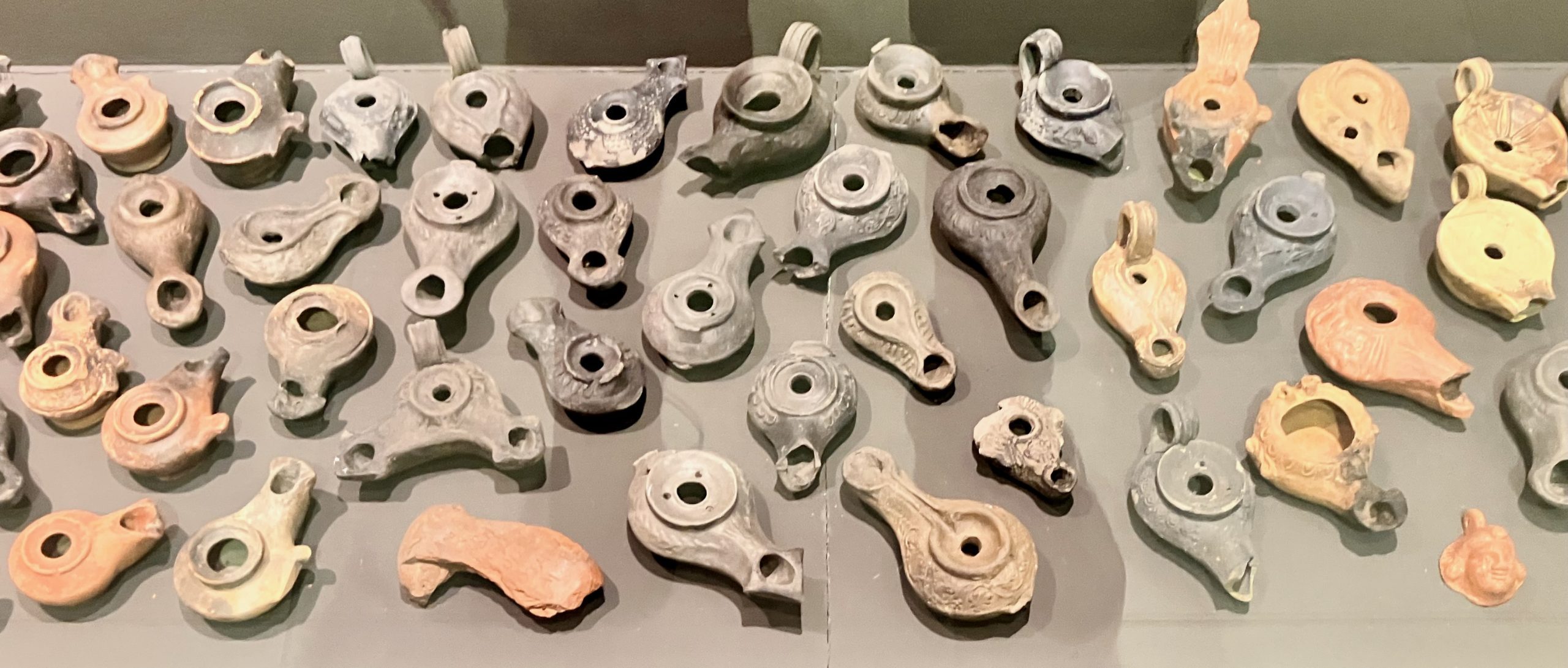
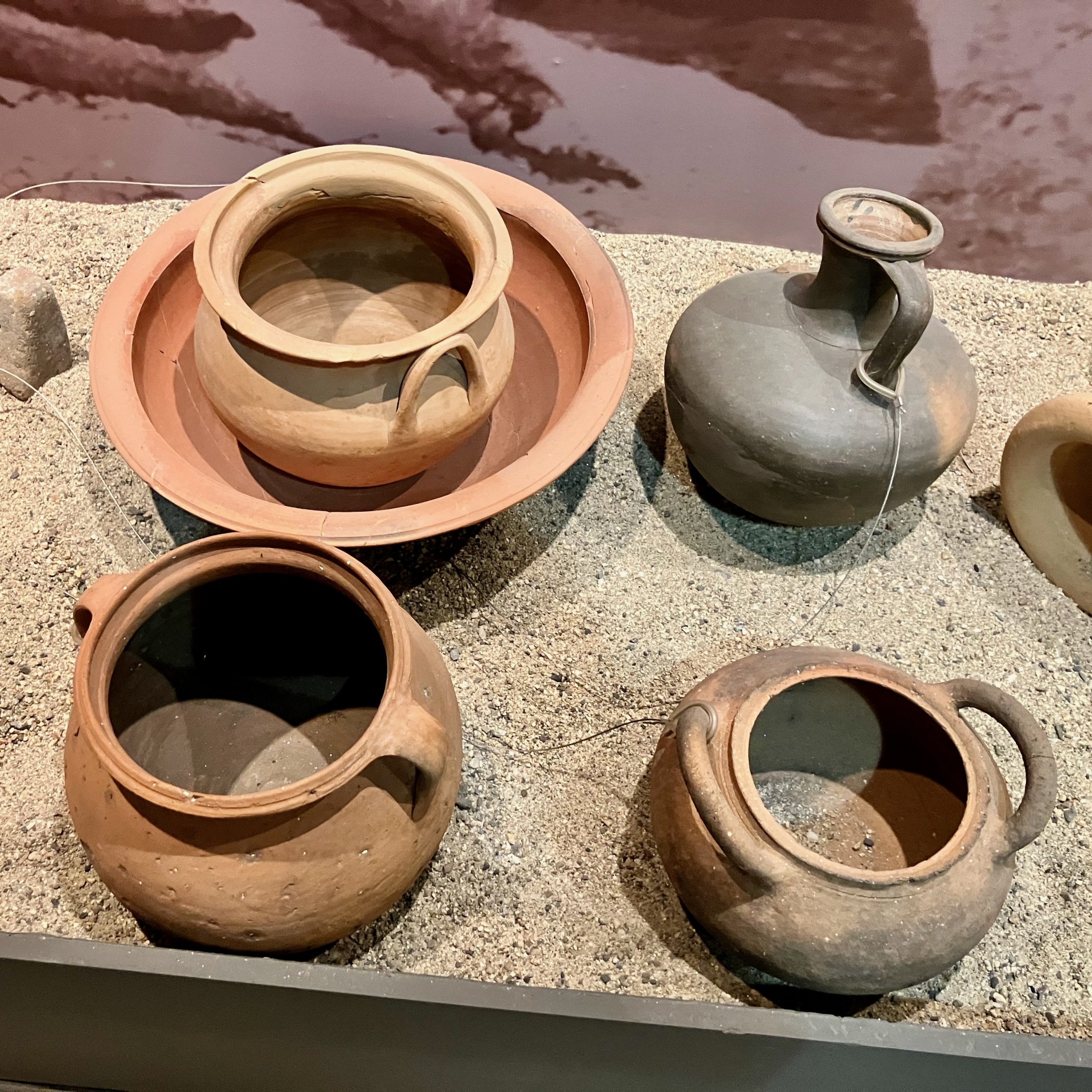
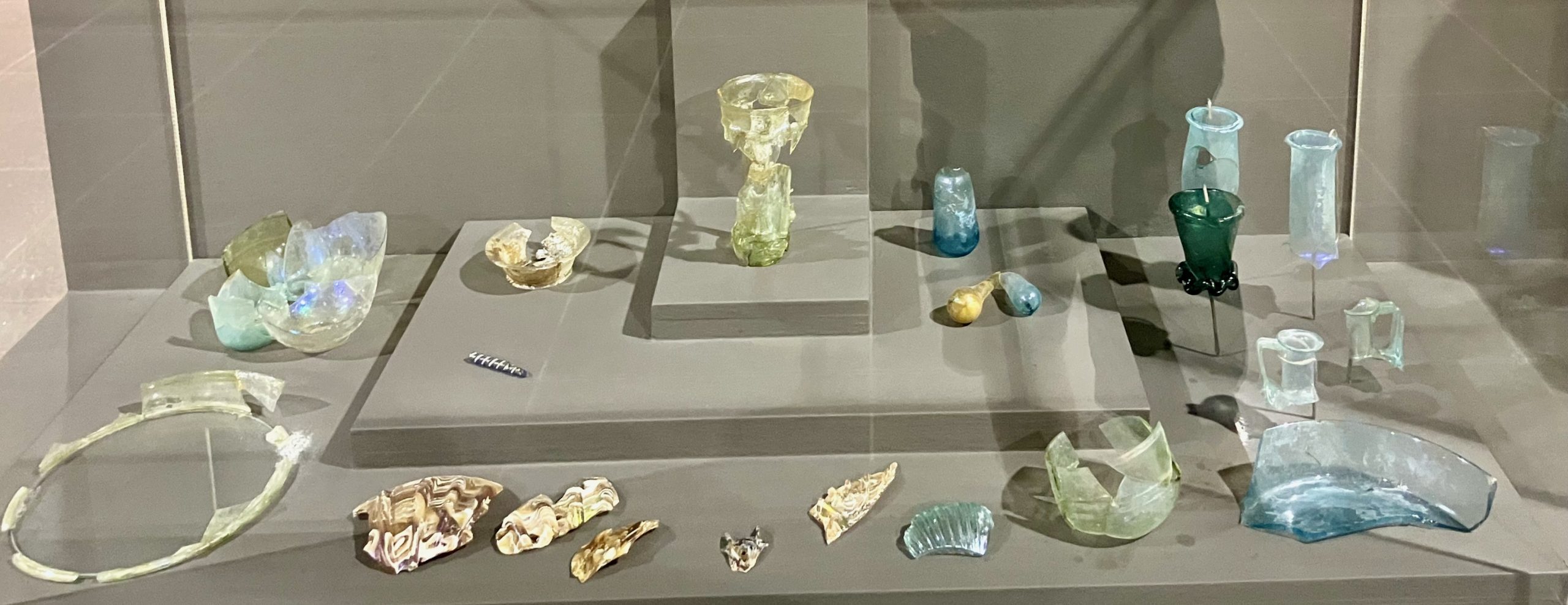
Here are various items found in and around the workshop of the ancient Greek marketplace from around Paul’s time. They’re the kind of items that Paul (and the believers) would have made as they worked with their own hands:
The mob in the marketplace
The preaching by Paul and Silas led to a disturbance in the marketplace. The marketplace seems to have been near the house of a prominent new Christian believer called Jason.
But the Jews were jealous, and taking some wicked men of the rabble [literally: men from the marketplace crowd], they formed a mob, set the city in an uproar, and attacked the house of Jason, seeking to bring them out to the crowd.
(Acts 17:5 ESV)
The marketplace where the riot took place was down below the main city, on flatter ground close to the base of the slope. Here are some pictures of the Roman Forum which was built in the 2nd to 3rd century over the Hellenistic marketplace:
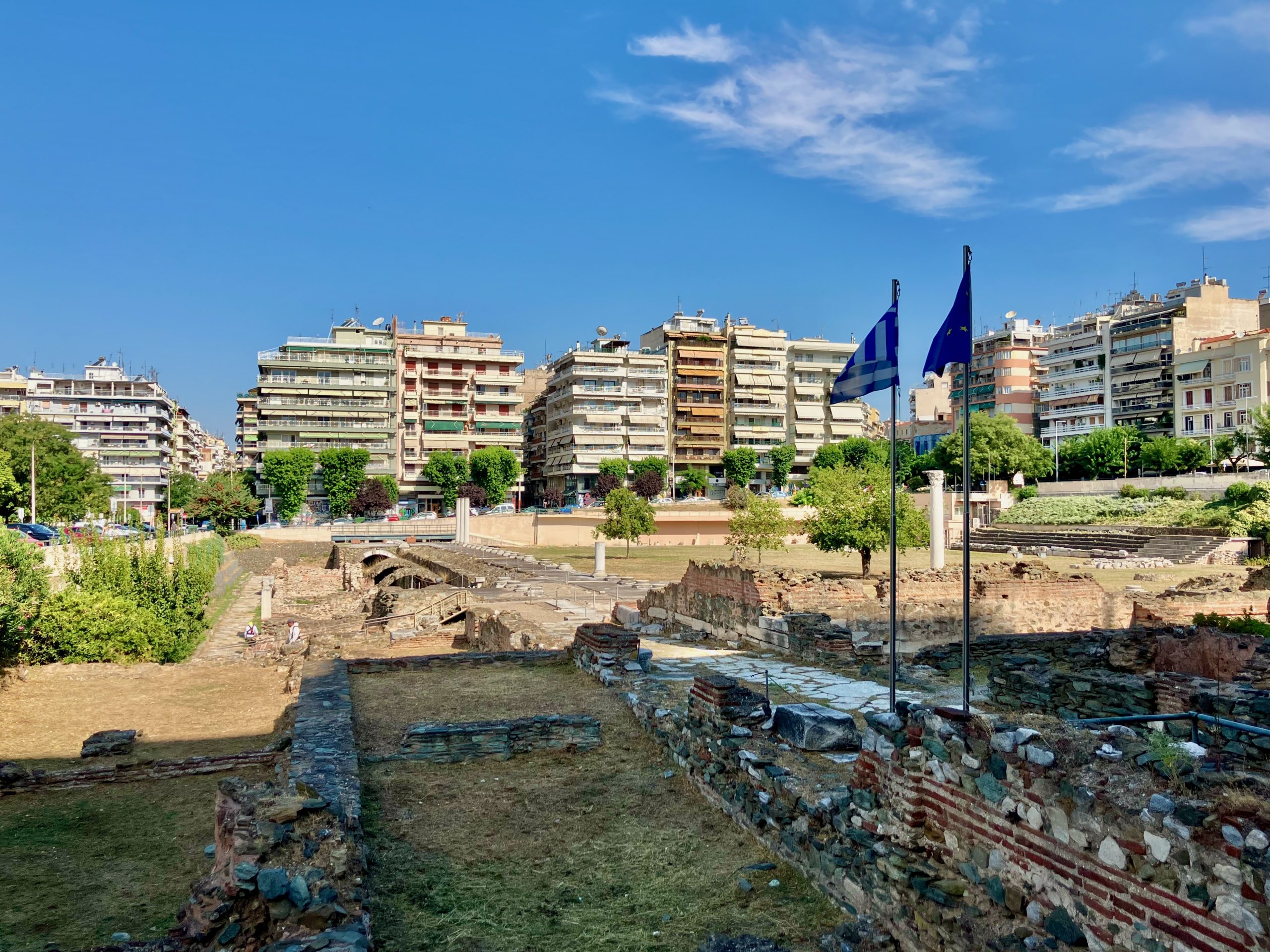
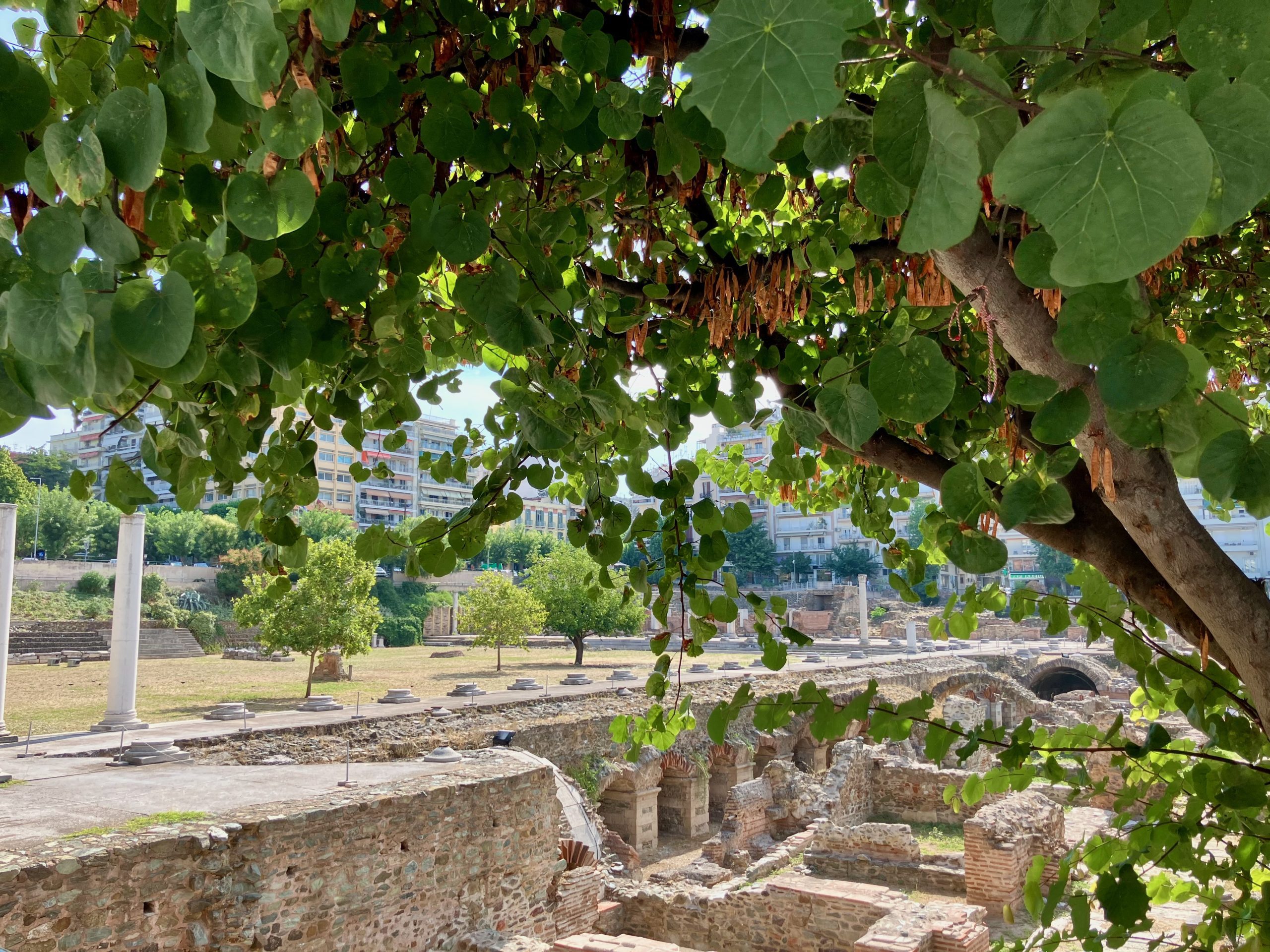
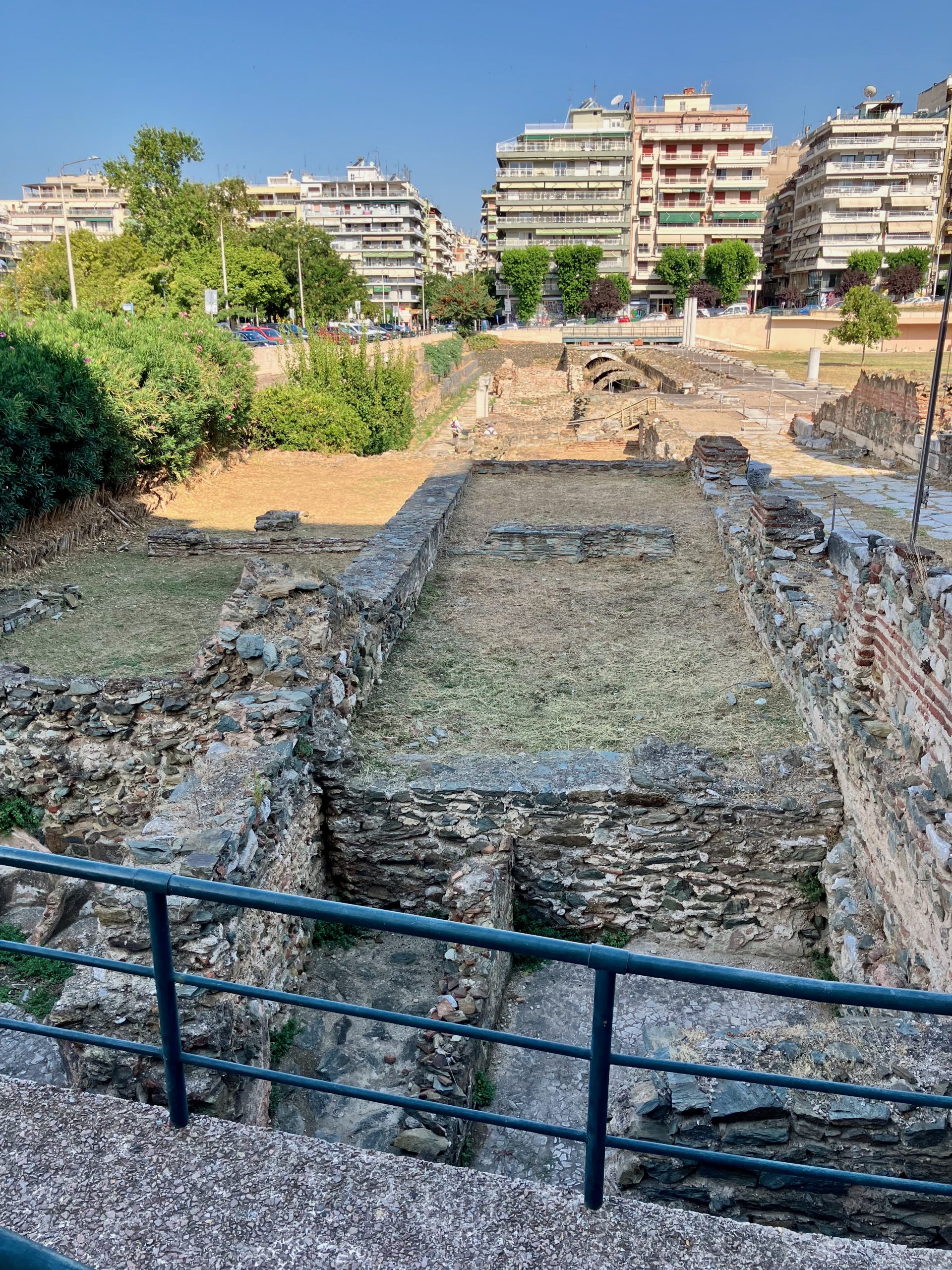
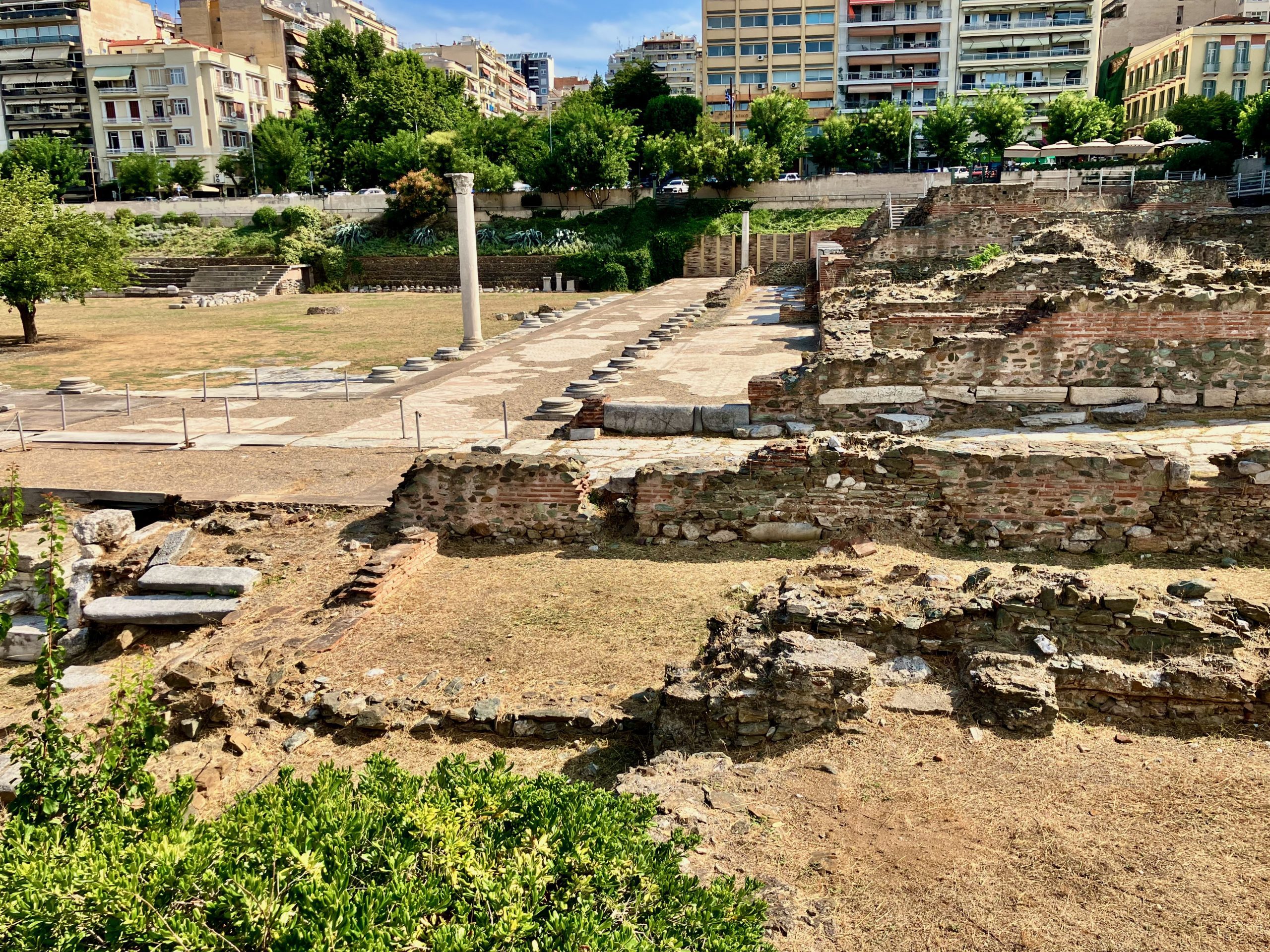
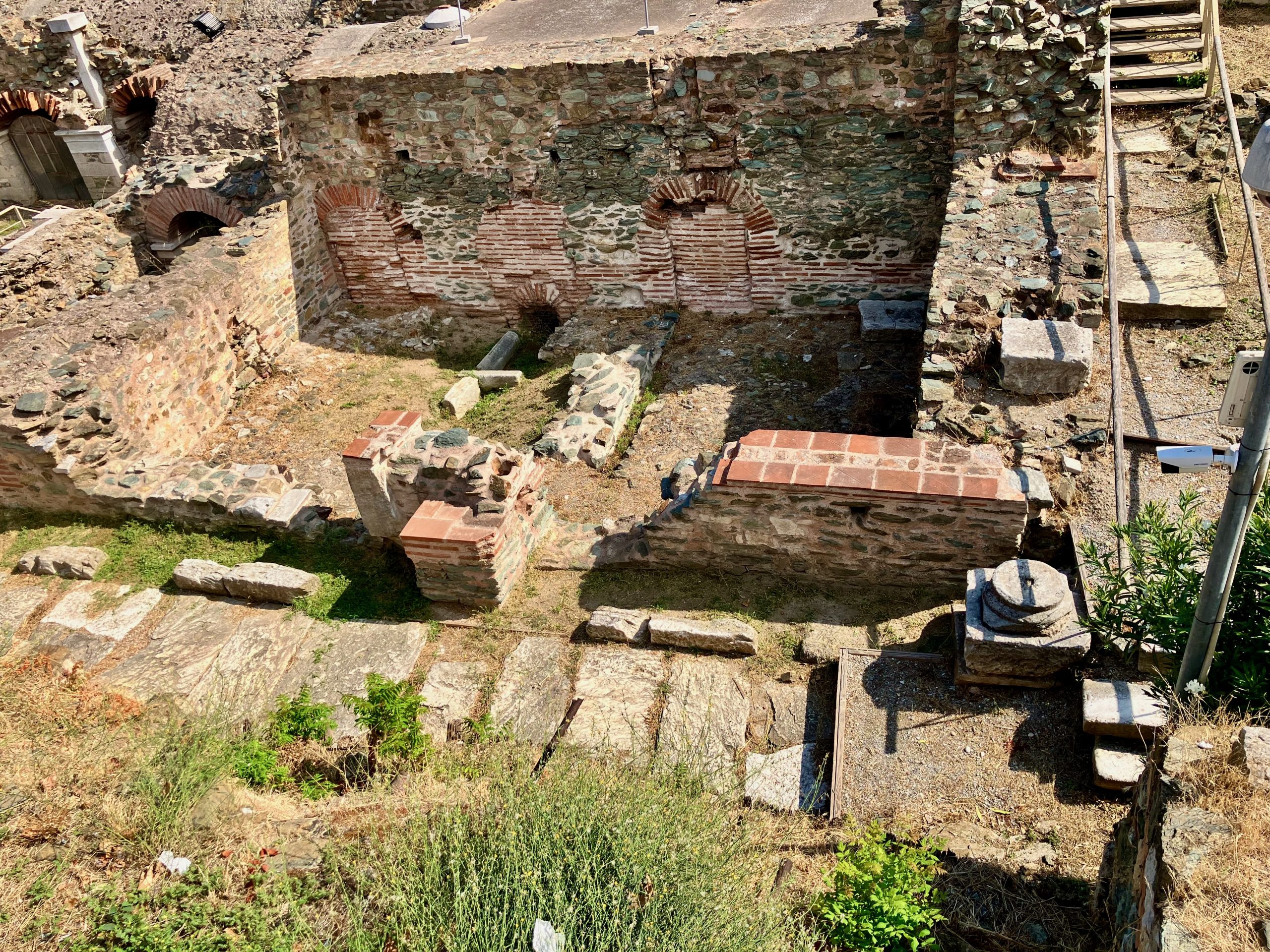
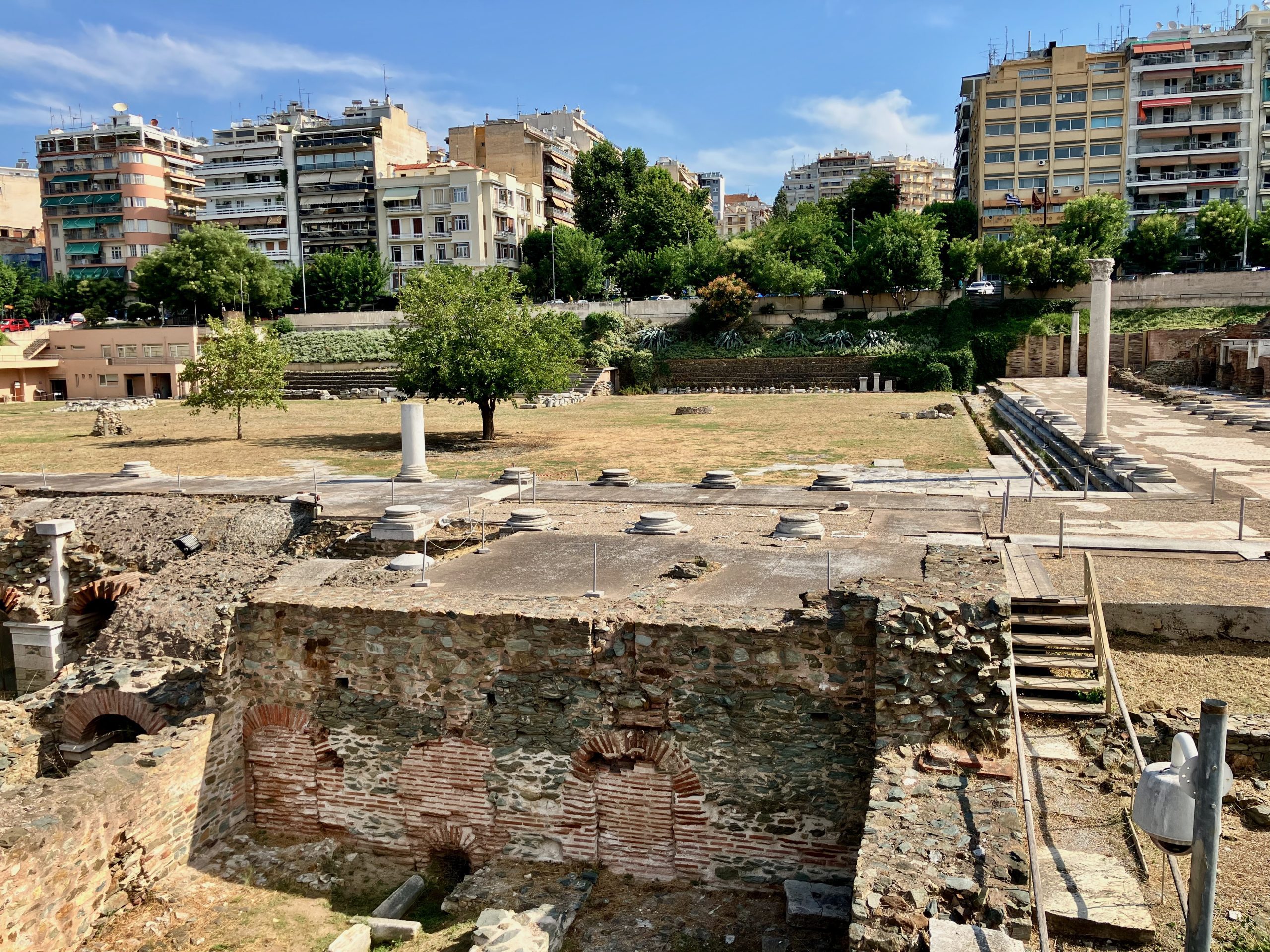
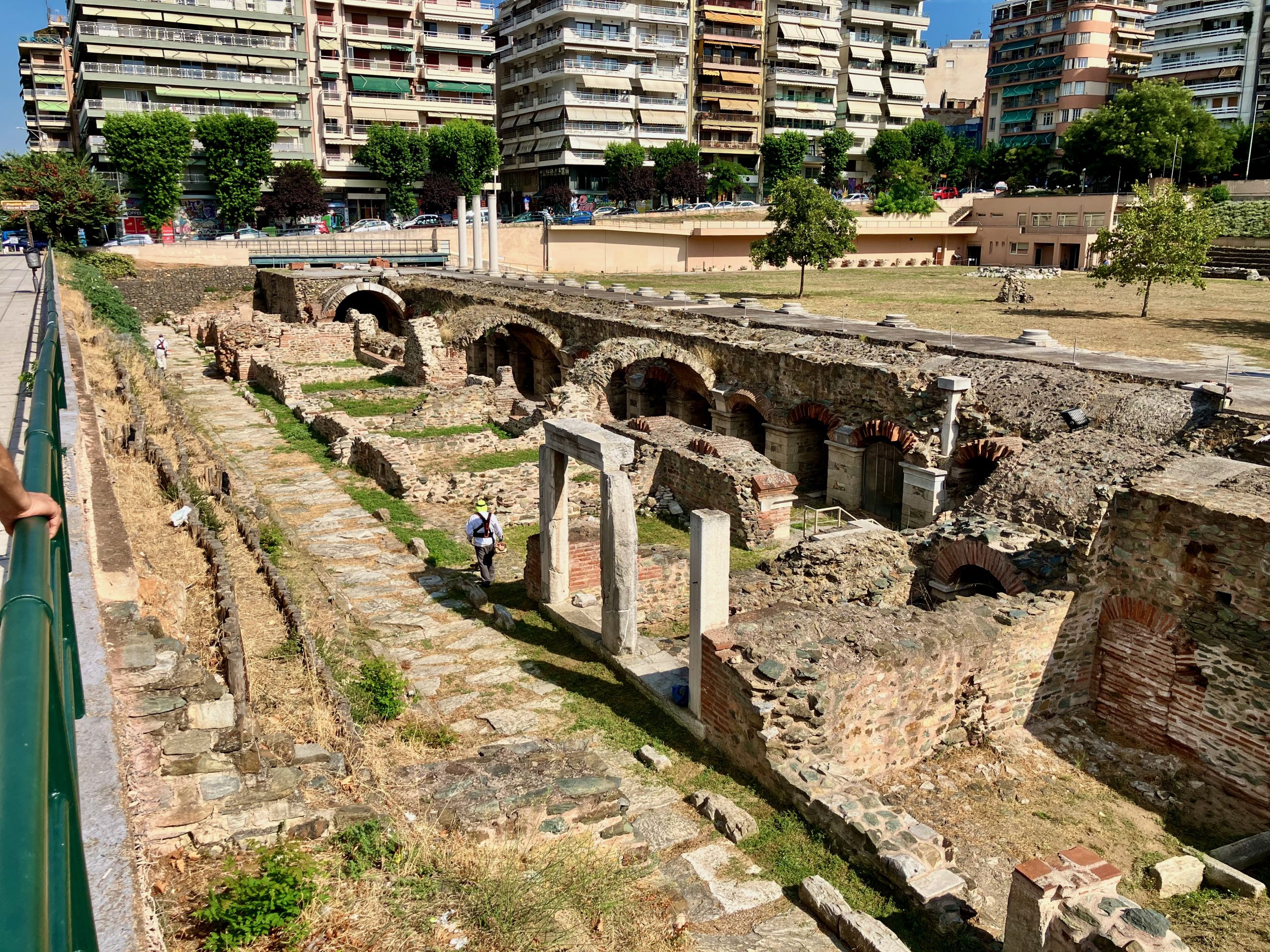
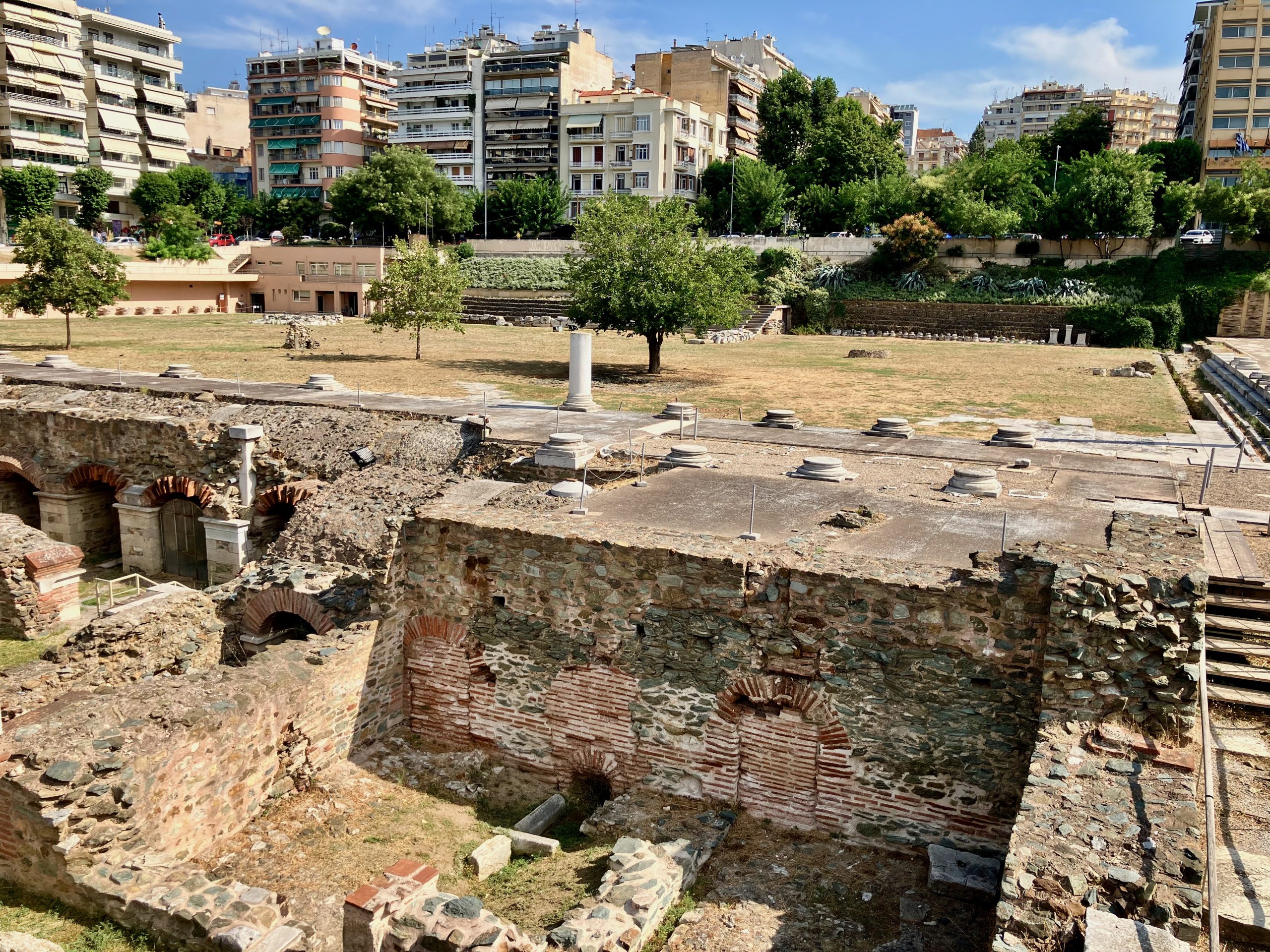
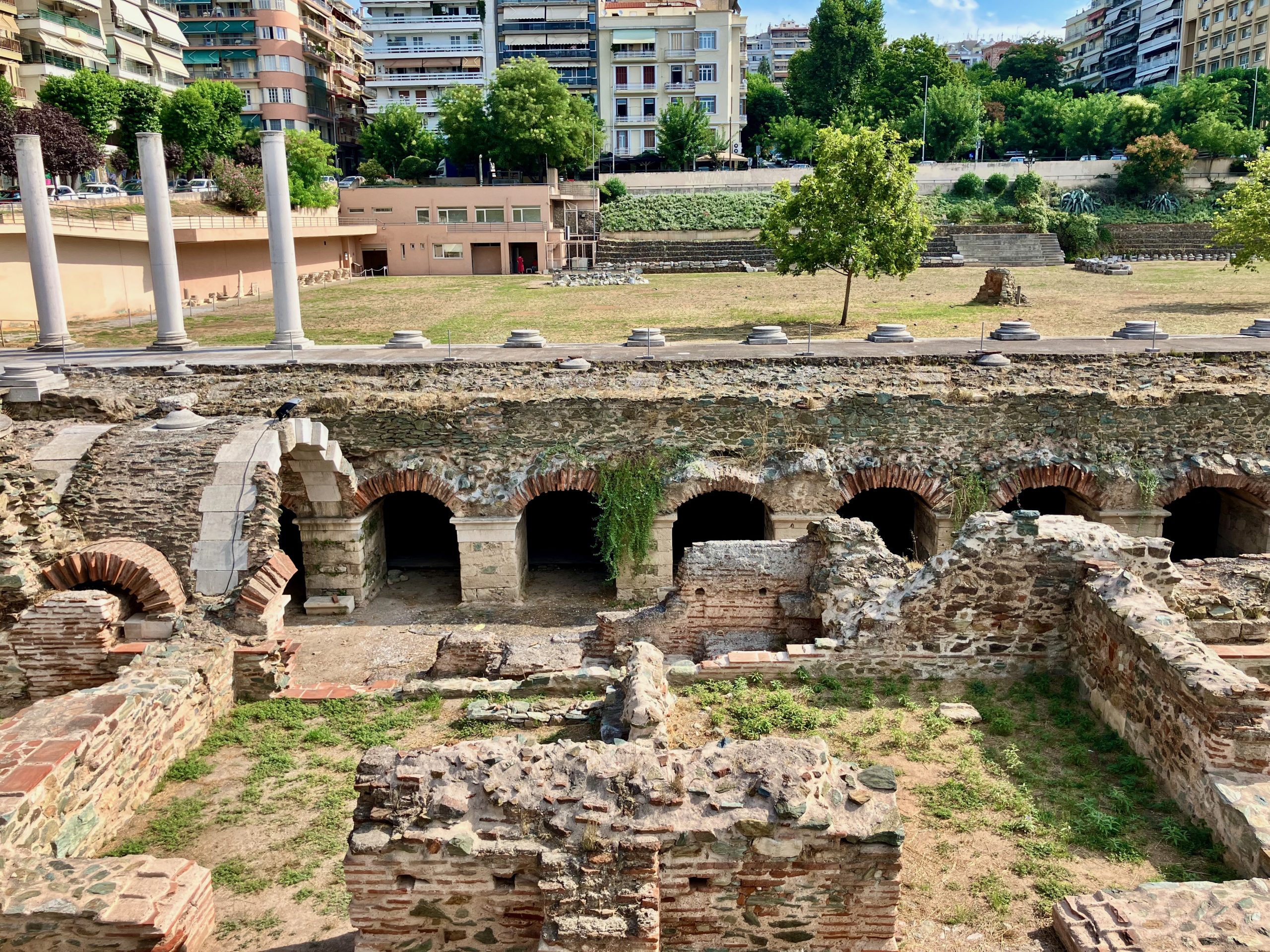
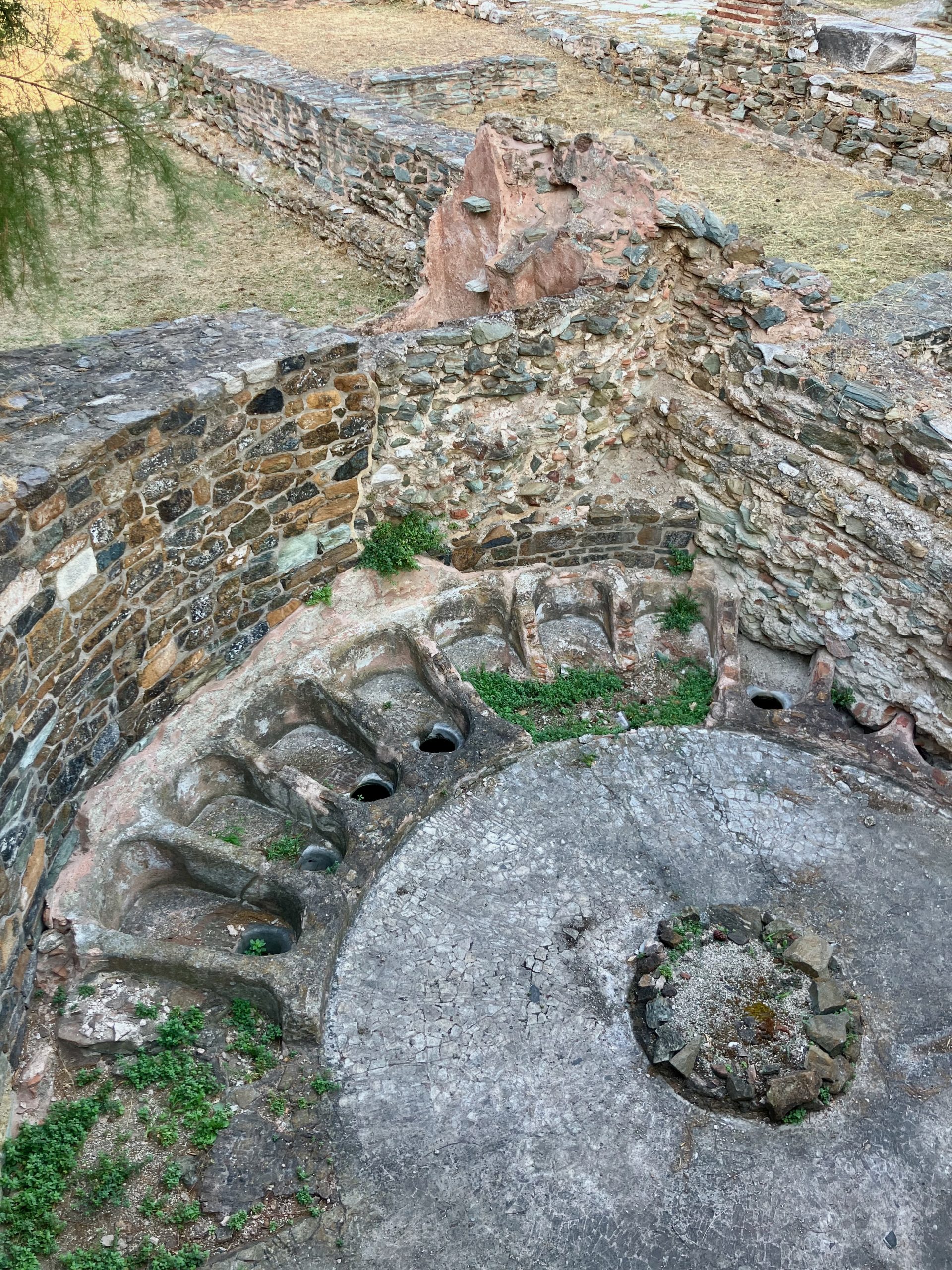
Some part the old Hellenistic marketplace of Paul’s day itself are still visible, e.g. the bathhouse (Balnaeum):
The Jewish leaders couldn’t find Paul and Silas themselves in Jason’s house, but they did find some Christian believers, including Jason, and directed their anger against them:
And when they could not find them, they dragged Jason and some of the brothers before the city authorities (politarchs), shouting, …
(Acts 17:5–6b)
At this point in time, Thessalonica was a free city. This meant that it wasn’t governed directly by the Romans. The local Greek rulers were called Politarchs. This term was found on an inscription on the Vartar Gate (Western gate) by archaeologists in the nineteenth century. The inscription is now in the British Museum (so sadly we didn’t see it in Thessaloniki). The fact that Luke uses this precise term in Acts 17:6 & 8 confirms that was aquainted with local terminology from Thessalonica as he was writing his account.
The complaint to the authorities was carefully crafted:
“These men who have turned the world upside down have come here also, and Jason has received them, and they are all acting against the decrees of Caesar, saying that there is another king, Jesus.” And the people and the city authorities (politarchs) were disturbed when they heard these things. And when they had taken money as security from Jason and the rest, they let them go.
(Acts 17:6b–9 ESV)
The local Greek authorities would have been very worried about news of people disturbing the peace, defying the Roman Emperor and declaring the existence of “another king”. After all, this area was the home of the Macedonian king Alexander the Great who had ruled so much of the Roman Empire before the Romans took over. Other self-declared “kings” from Macedonia had risen up against the Romans before this. So news of “another king”, if it became widely known among the Romans, could bring swift military action and may well threaten the Politarchs’ status as rulers of a free city. This is no doubt why those who opposed Paul and Silas worded their complaint this way. Paraphrasing Paul and Silas’s message like this added high stakes local political overtones to the gospel message—overtones which Paul and Silas clearly did not intend.
Paul later wrote to the Thessalonians that the persecution they had experienced from people who rejected the gospel message in Thessalonica was comparable with the persecution experienced by Jewish churches in Judea itself. This persecution had come from other Jewish people who had rejected the gospel message:
For you, brothers, became imitators of the churches of God in Christ Jesus that are in Judea. For you suffered the same things from your own countrymen as they did from the Jews* who killed both the Lord Jesus and the prophets, and drove us out, and displease God and oppose all mankind by hindering us from speaking to the Gentiles that they might be saved—so as always to fill up the measure of their sins. But wrath has come upon them at last! (1 Thess 2:14–16 ESV)
(Note: I’ve removed the comma from the ESV translation here because the comma gives entirely the wrong impression that all “the Jews” as a people group killed Jesus and the prophets. Rather, Paul is saying here that some Jews in Judea believed in Jesus and formed churches, while there were other Jews who opposed Jesus and his people. For more explanation from the Greek construction see below**)
Paul leaves Thessalonica
After this disturbance, Paul and Silas were forced to leave Thessalonica in a hurry:
The brothers immediately sent Paul and Silas away by night to Berea, …
(Acts 17:10a)
Paul and Silas would have headed towards Berea on the Via Egnatia, the main Roman Road through Macedonia. At the Venizilou Metro Station, in the Western part of the CBD, there is a recently discovered and very well-preserved section of this road Paul and Silas would have walked along as they fled from Thessalonica:
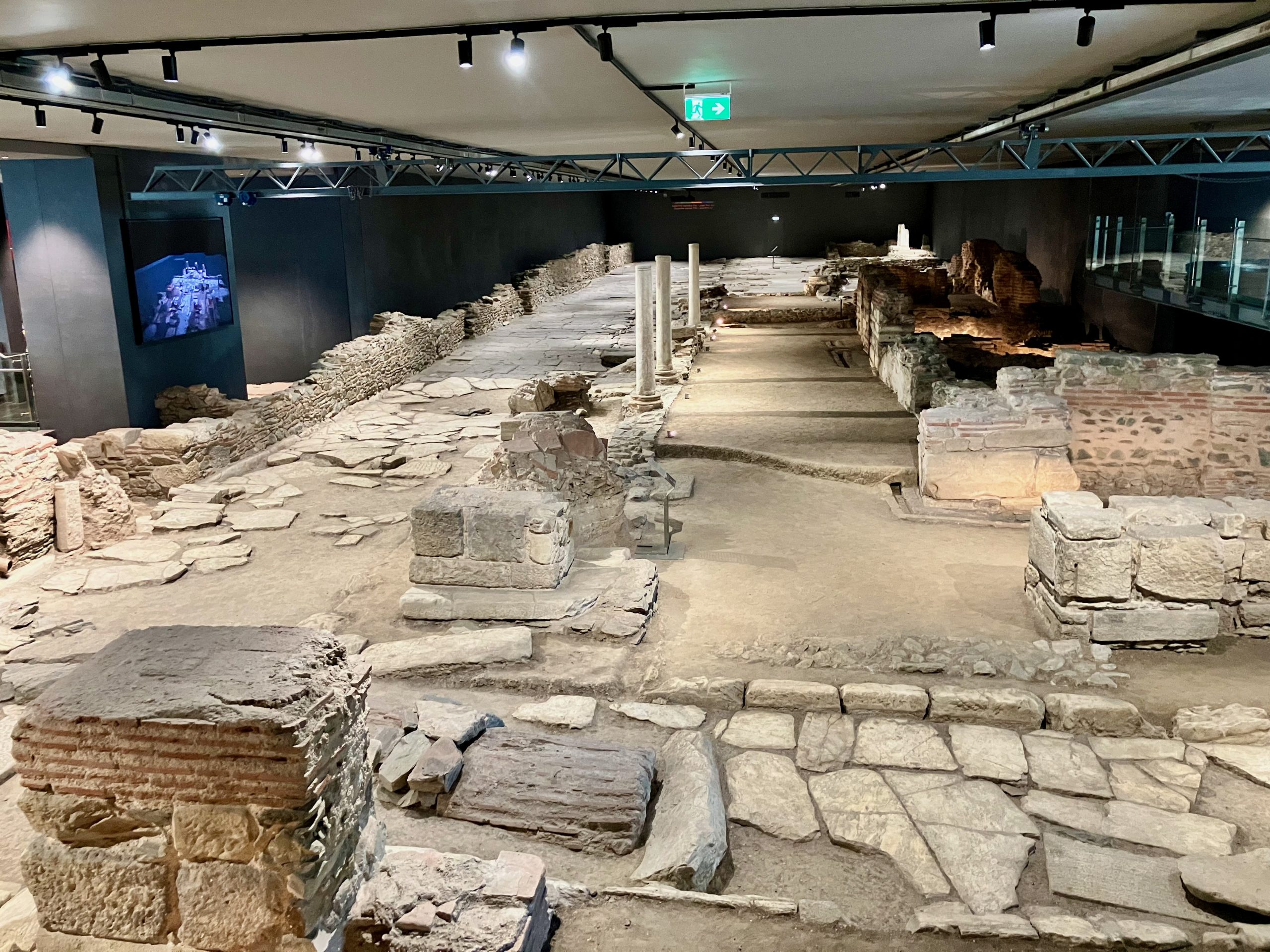
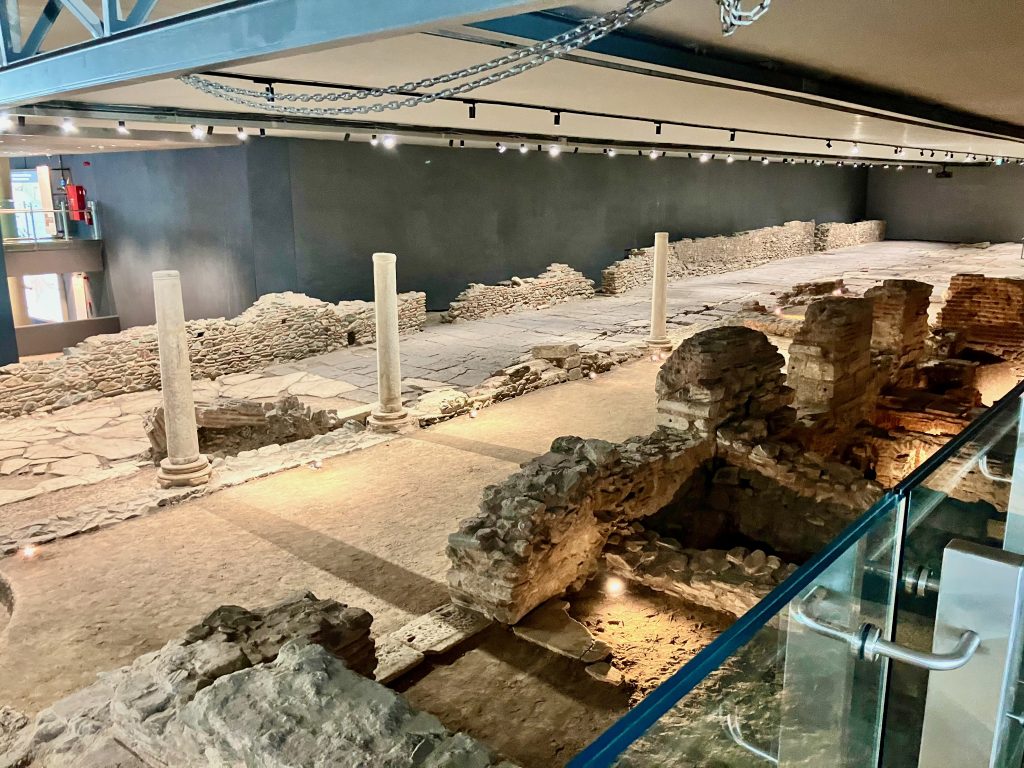
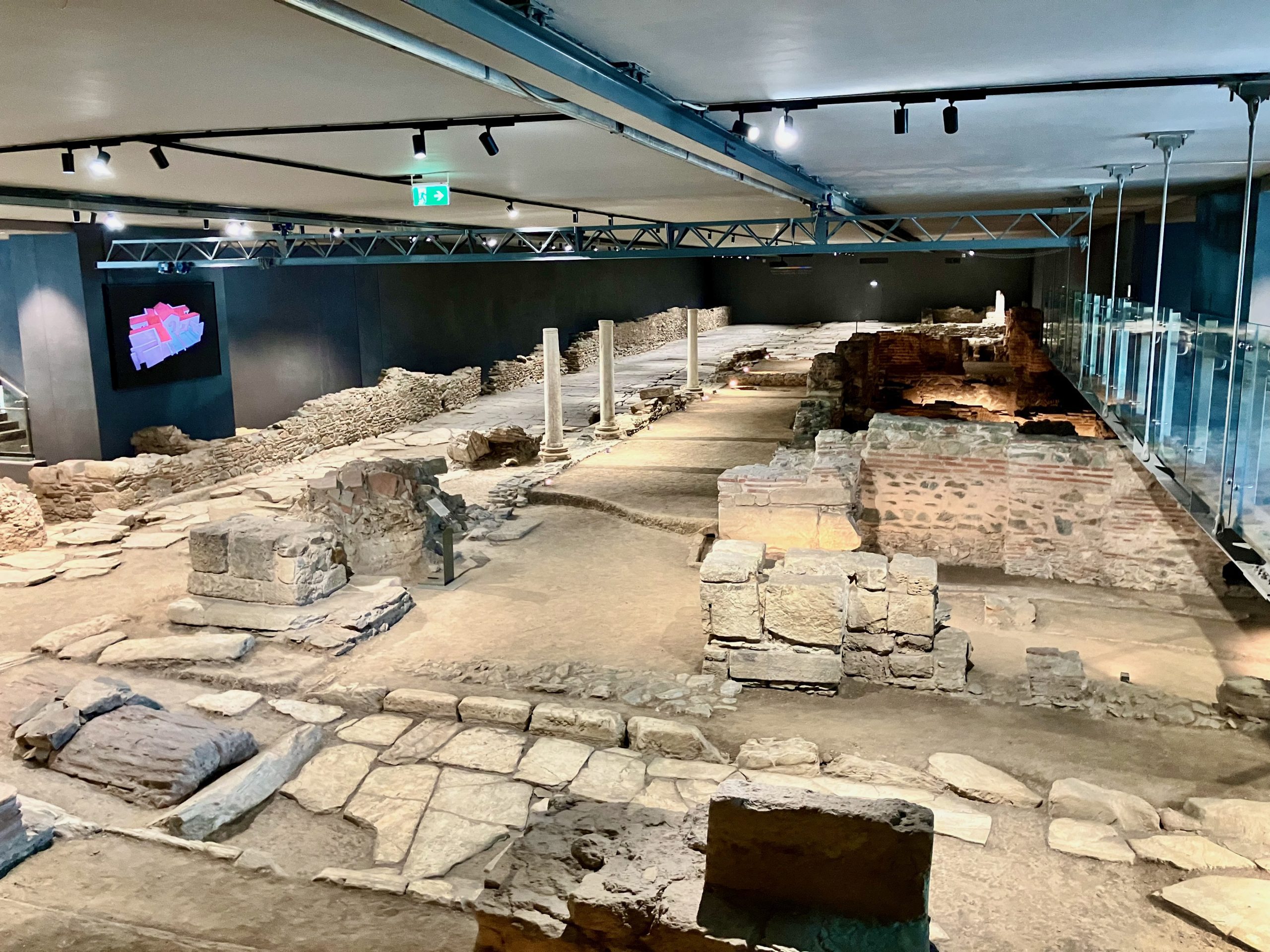
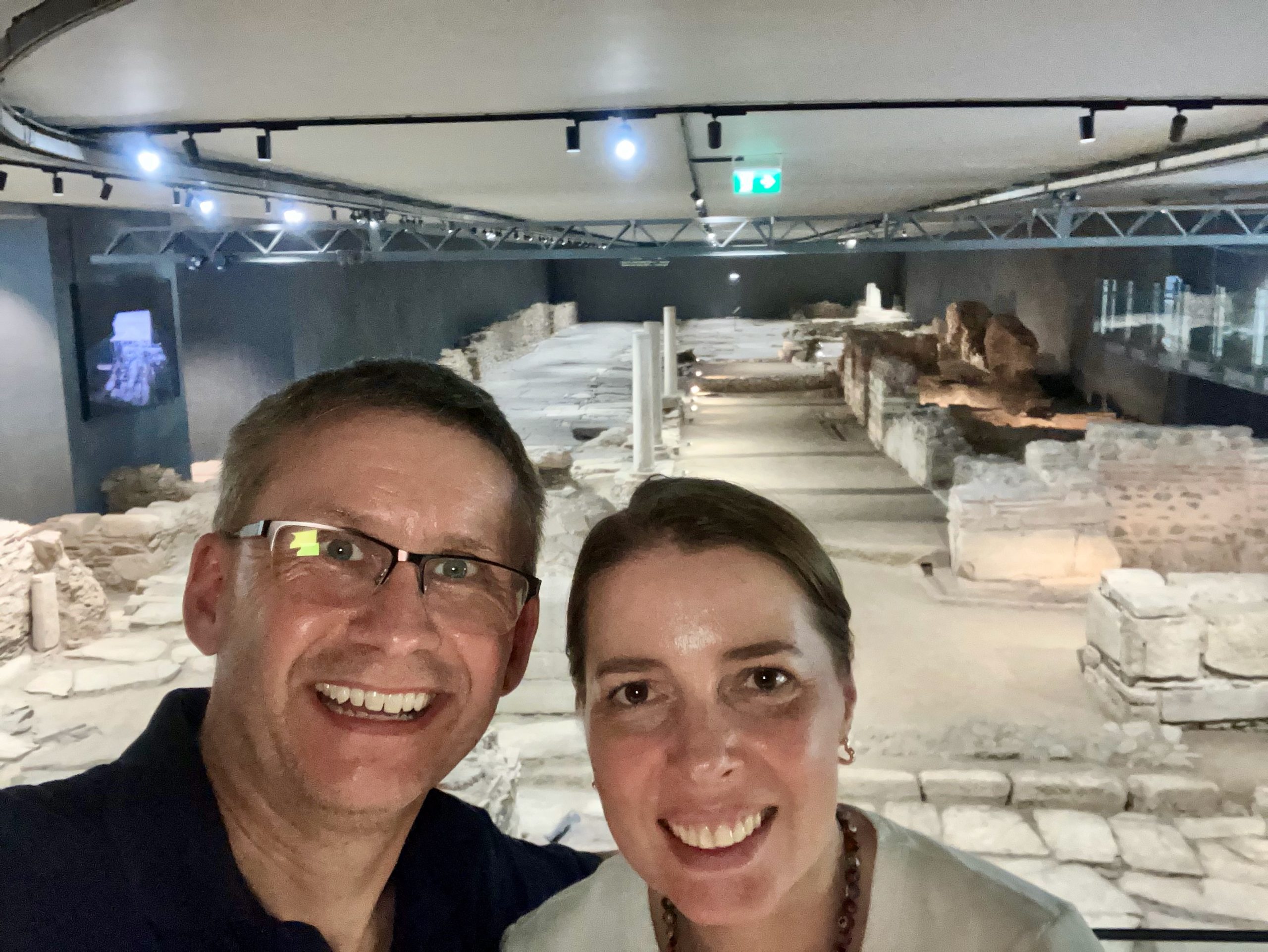
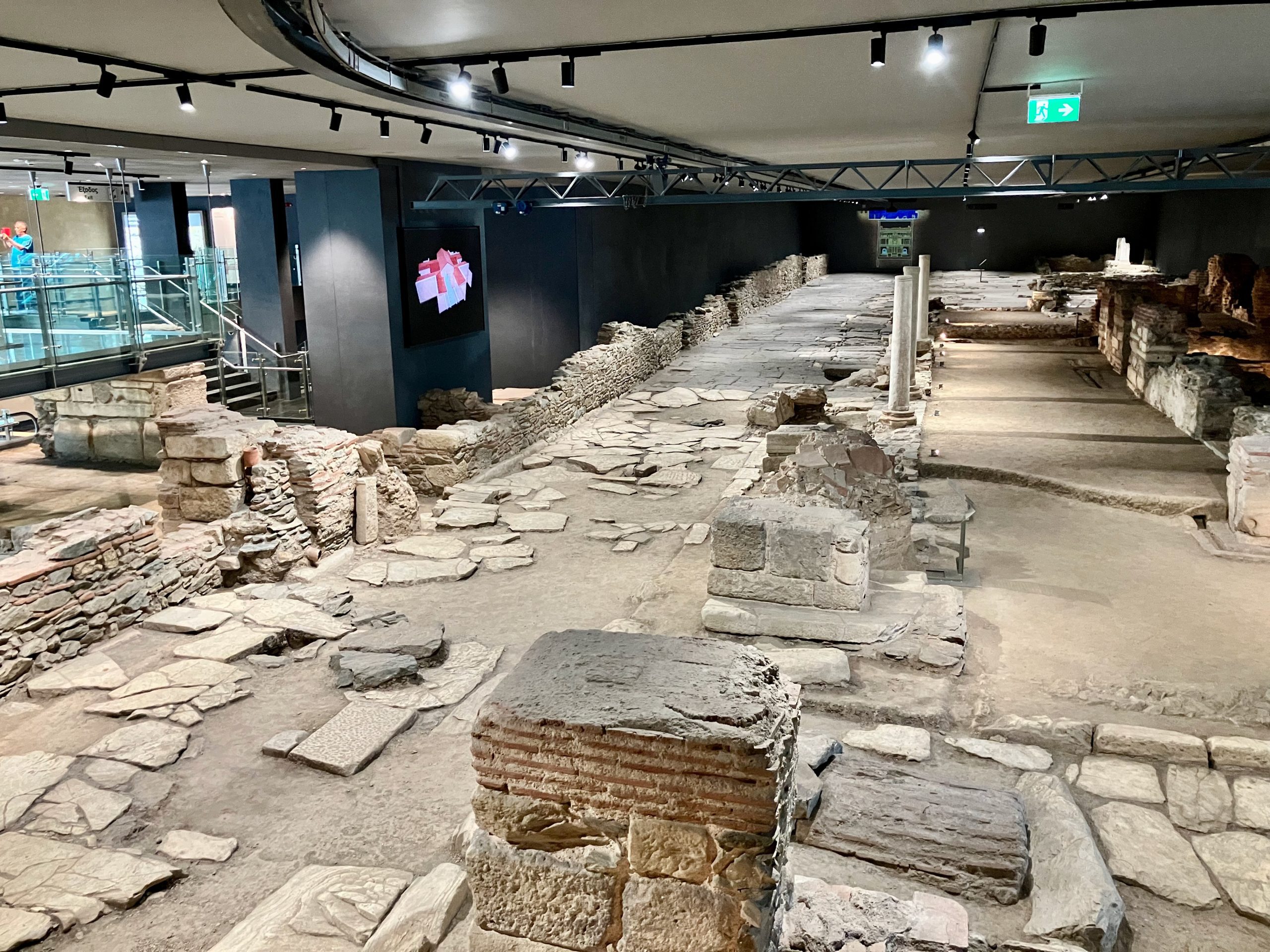
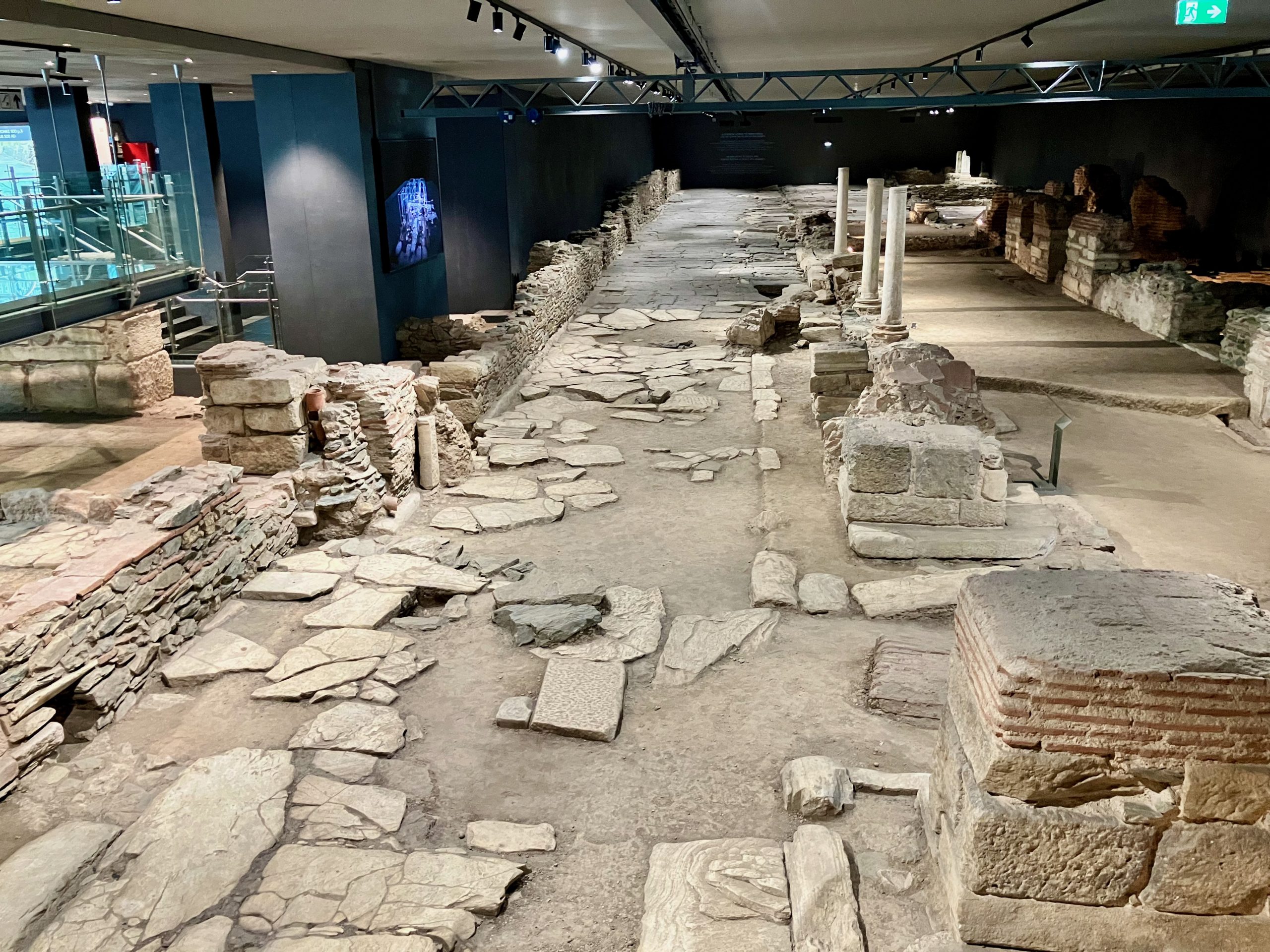
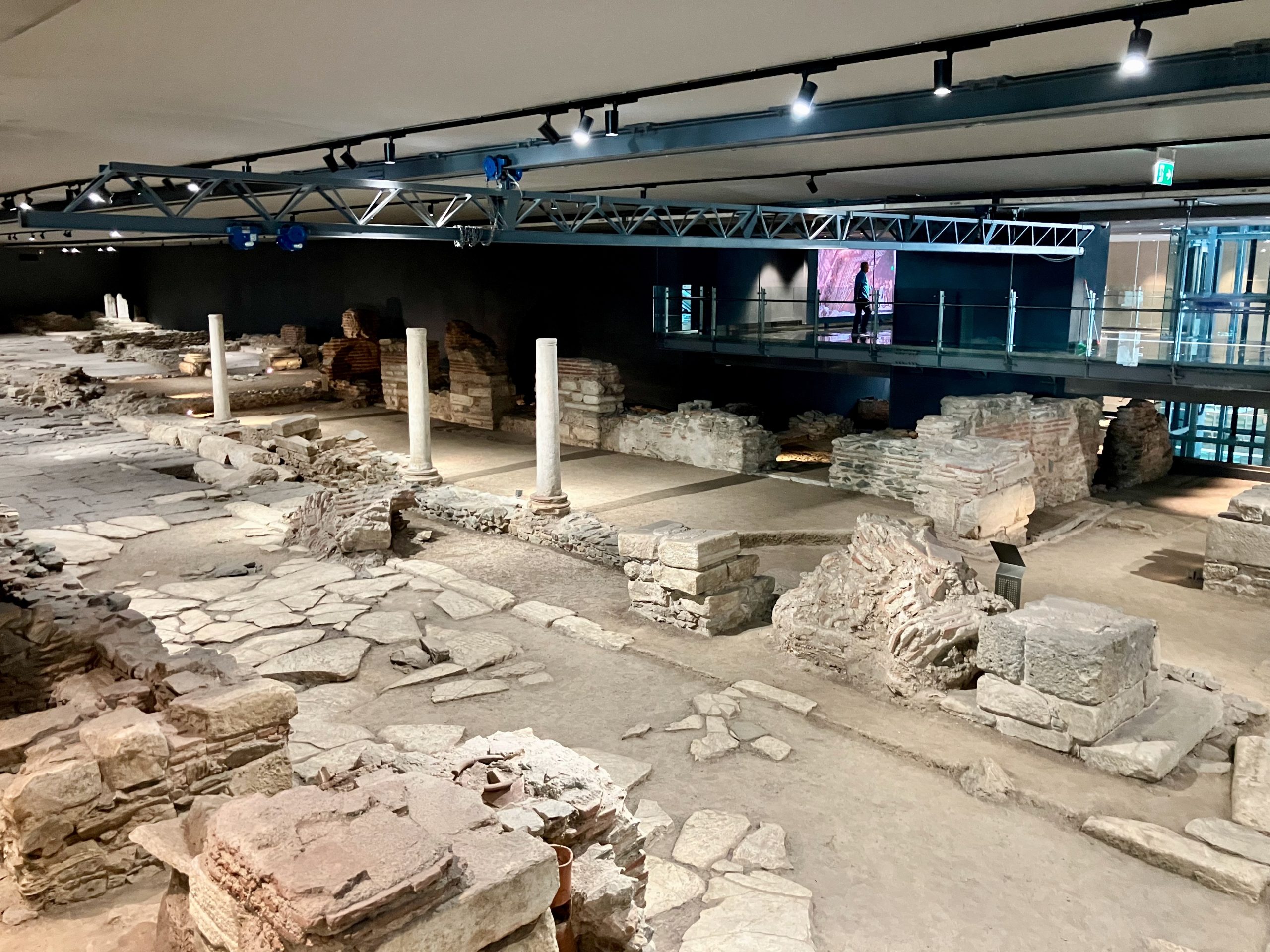
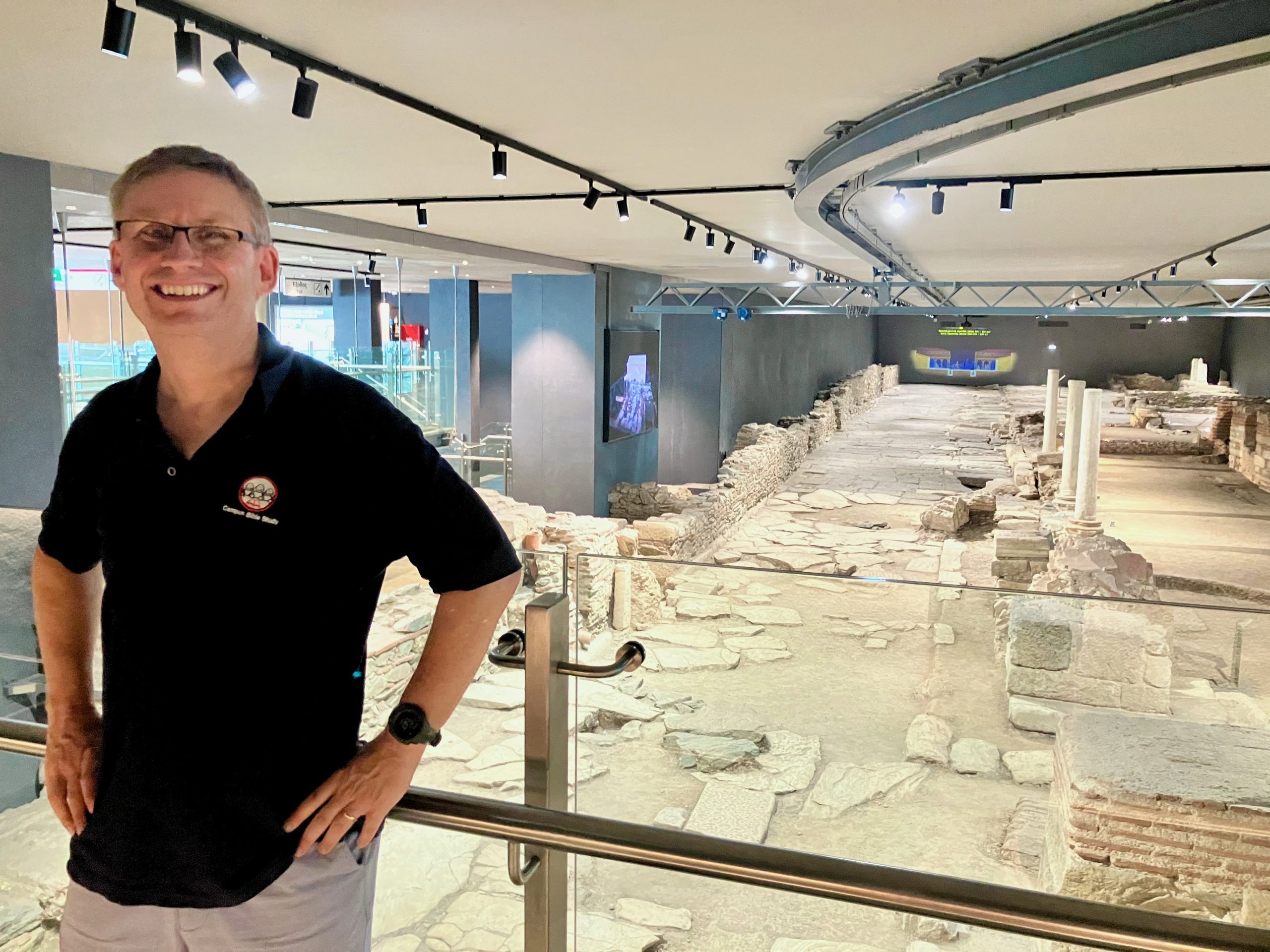
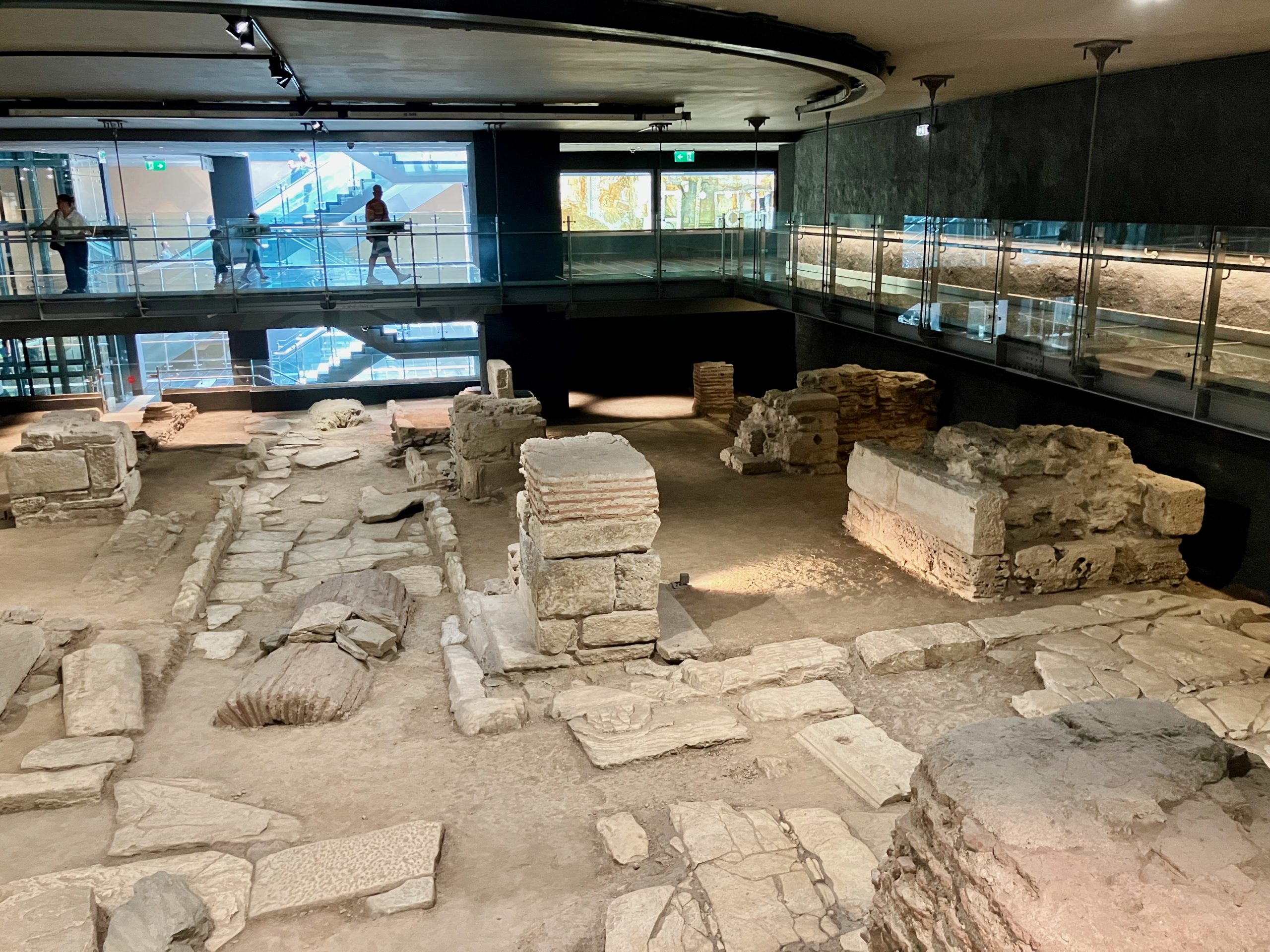
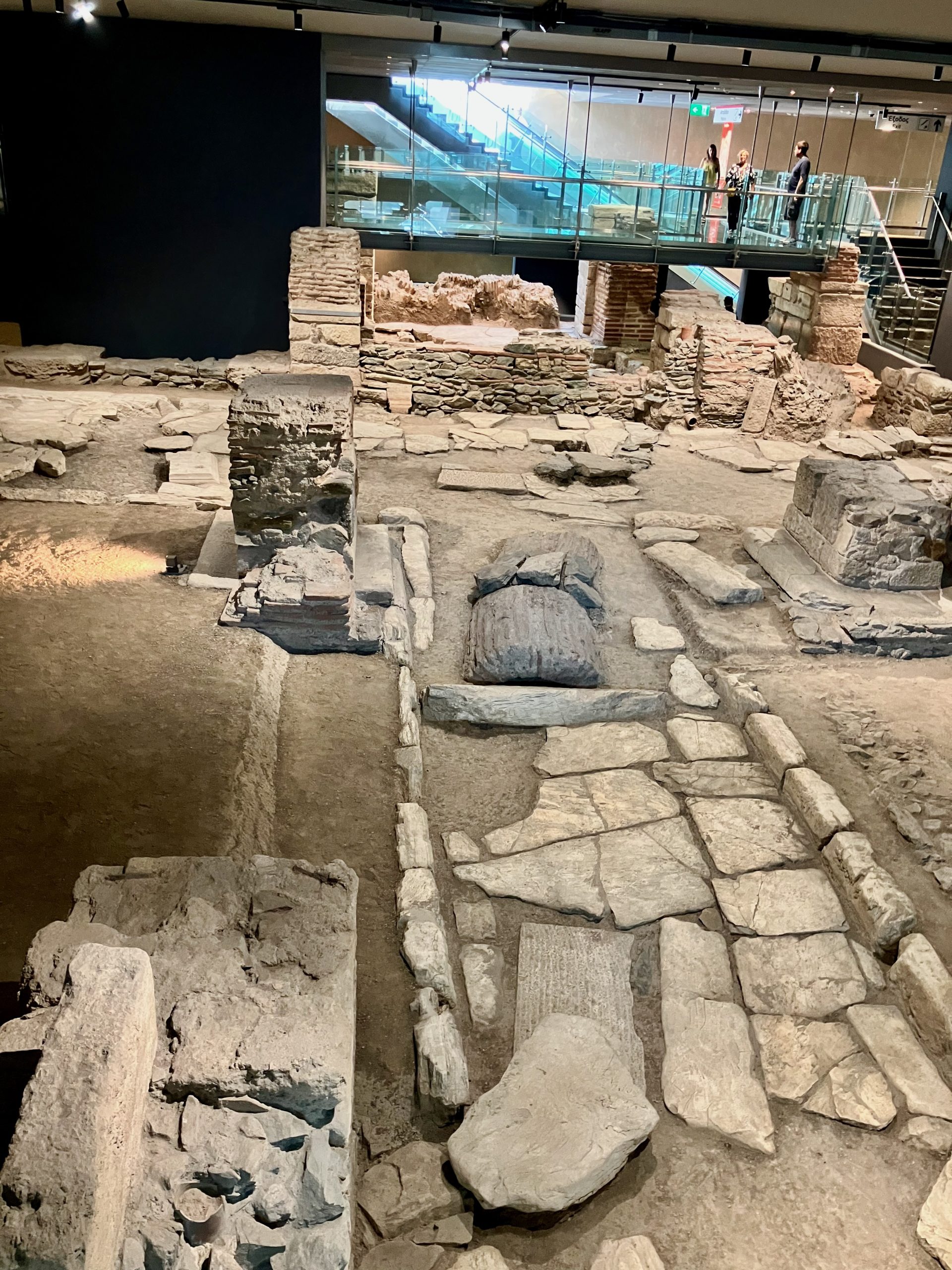
This departure was clearly heartbreaking for Paul. He later wrote to them:
But since we were torn away from you, brothers, for a short time, in person not in heart, we endeavored the more eagerly and with great desire to see you face to face, because we wanted to come to you—I, Paul, again and again—but Satan hindered us. For what is our hope or joy or crown of boasting before our Lord Jesus at his coming? Is it not you? For you are our glory and joy.
(1 Thessalonians 2:17–20 ESV)
Death and hope
These funerary monuments are in the Athens National Archaeological Museum. They show the shadowy hope many Greek people had in the face of death. Similar images of death would have been in the minds of those in Thessalonica:
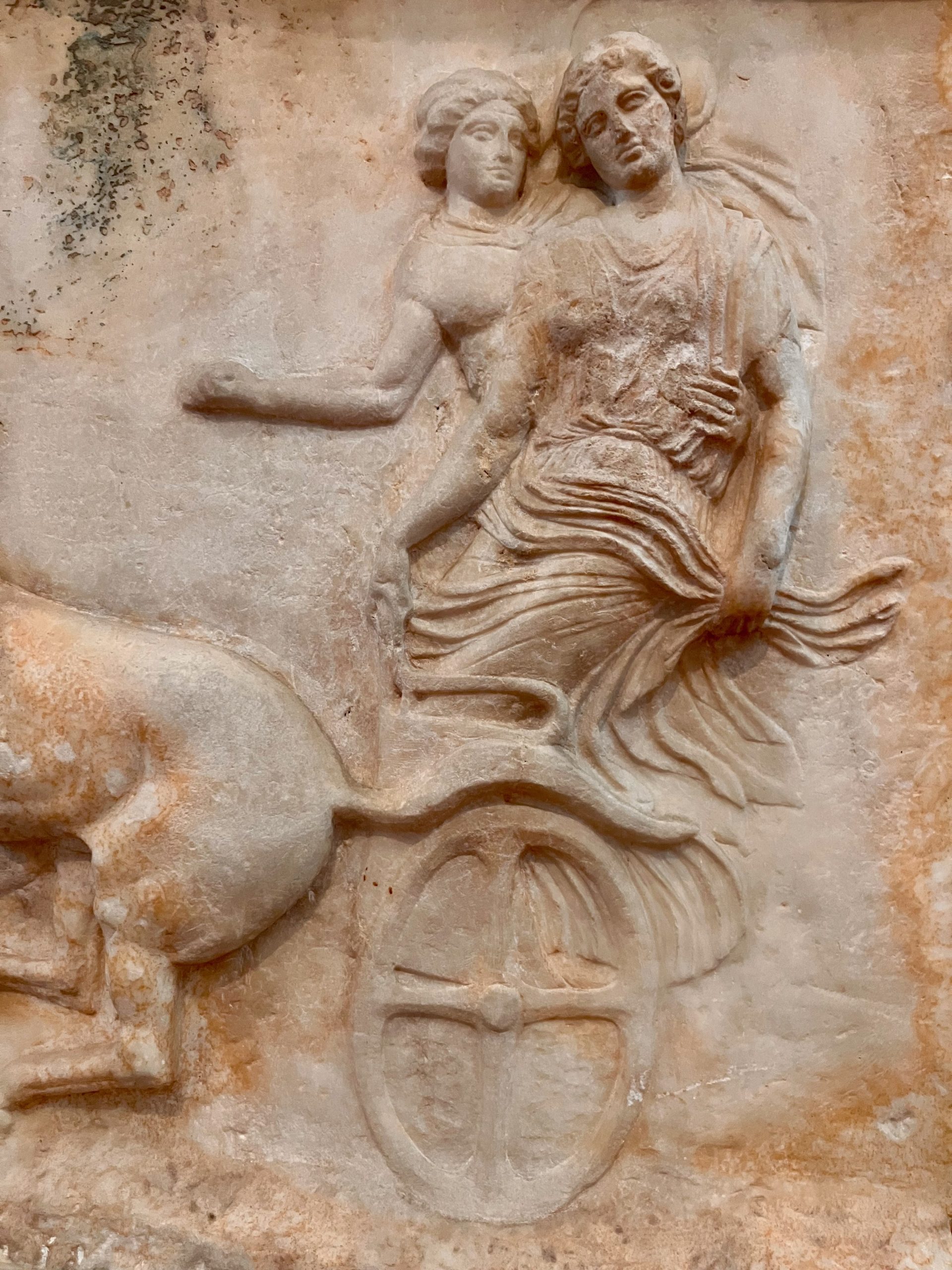
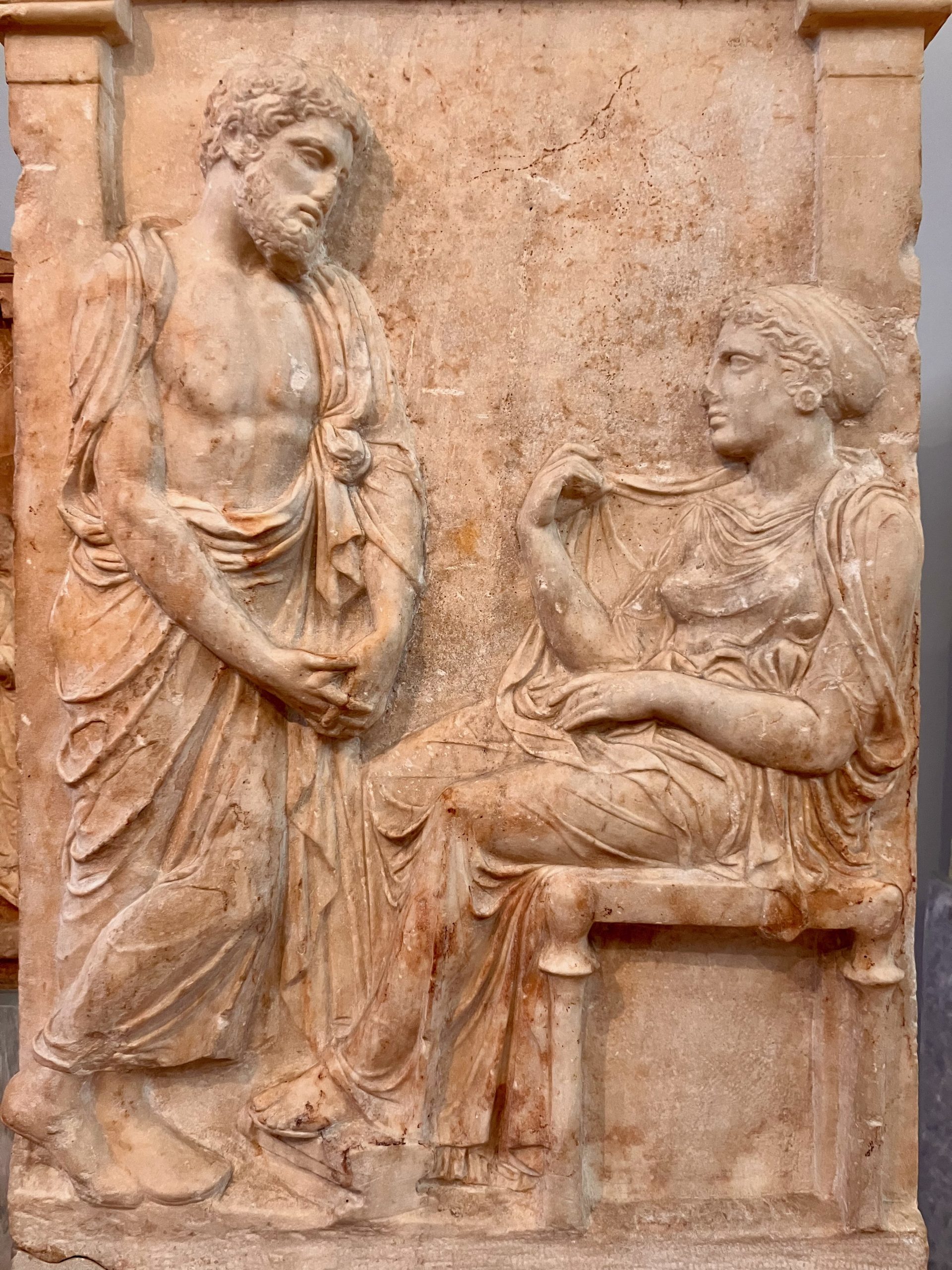
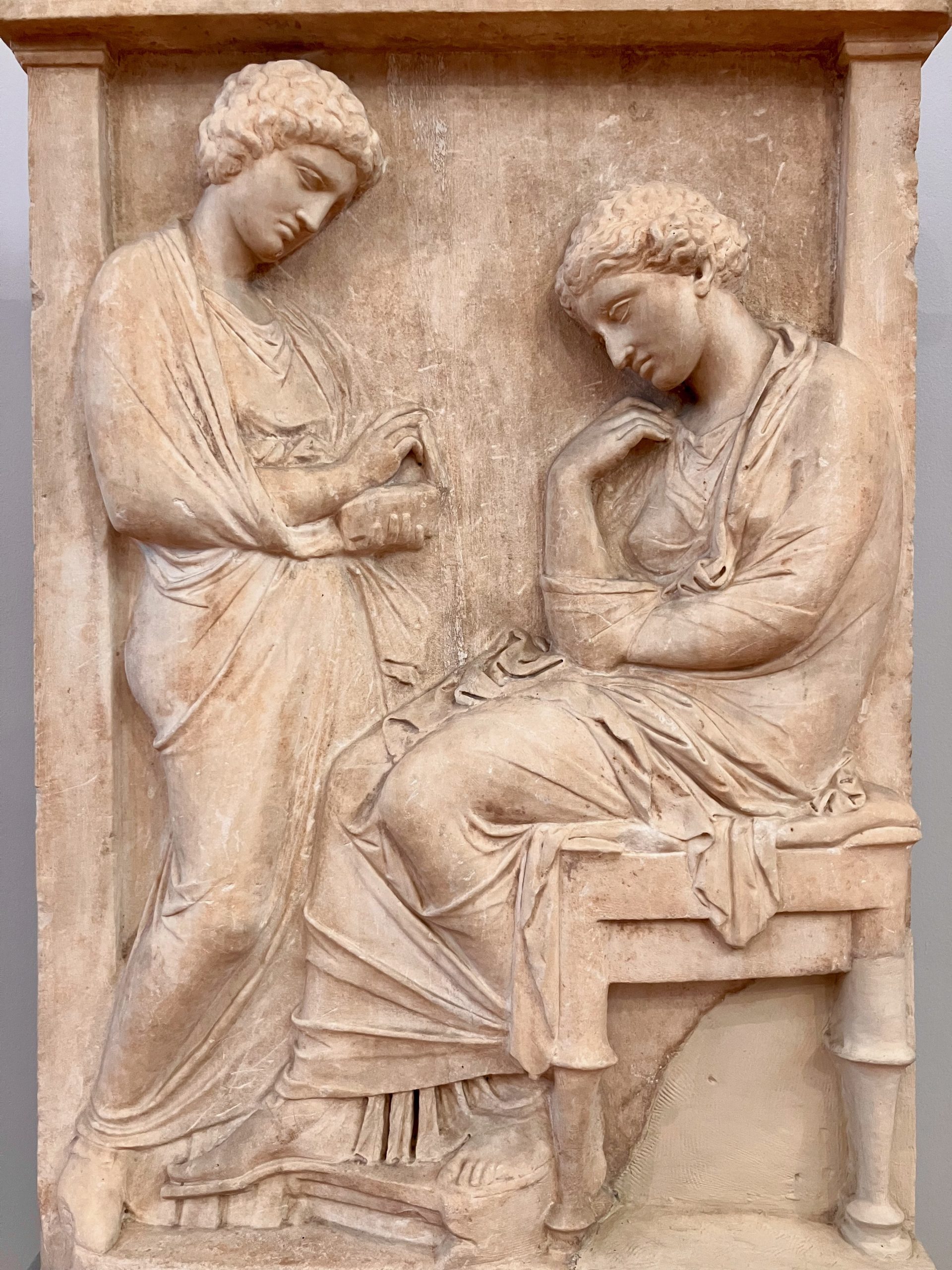
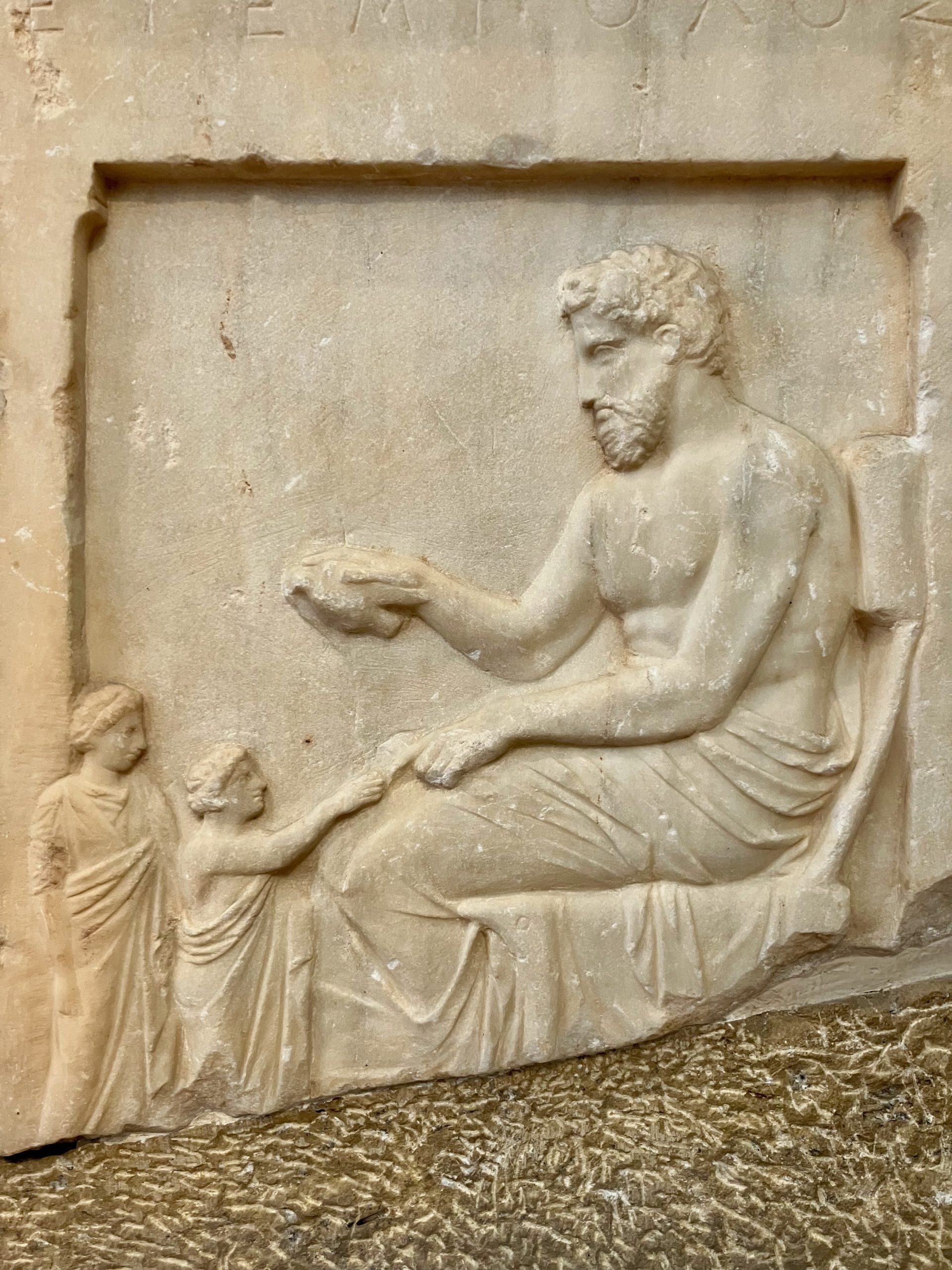
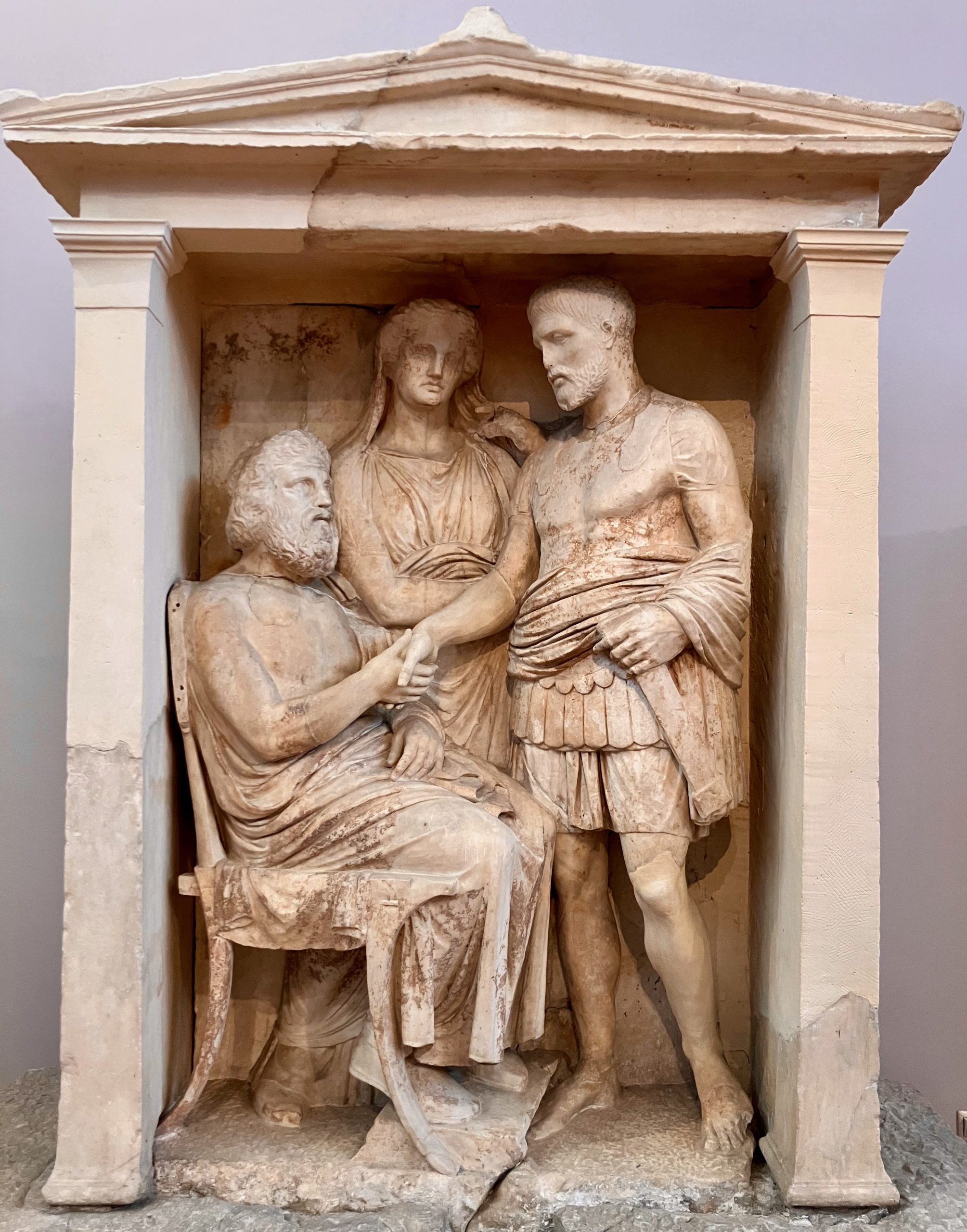
By contrast, Paul’s view of death as he writes to the Thessalonians is joyful and full of hope:
But we do not want you to be uninformed, brothers, about those who are asleep, that you may not grieve as others do who have no hope. For since we believe that Jesus died and rose again, even so, through Jesus, God will bring with him those who have fallen asleep.
(1 Thessalonians 4:13–14)
Emperor worship
In his second letter to the Thessalonians, Paul speaks of the reality of life before Jesus returns. He describes how:
… the man of lawlessness is revealed, the son of destruction, who opposes and exalts himself against every so-called god or object of worship, so that he takes his seat in the temple of God, proclaiming himself to be God.
(2 Thessalonians 2:3b–4)
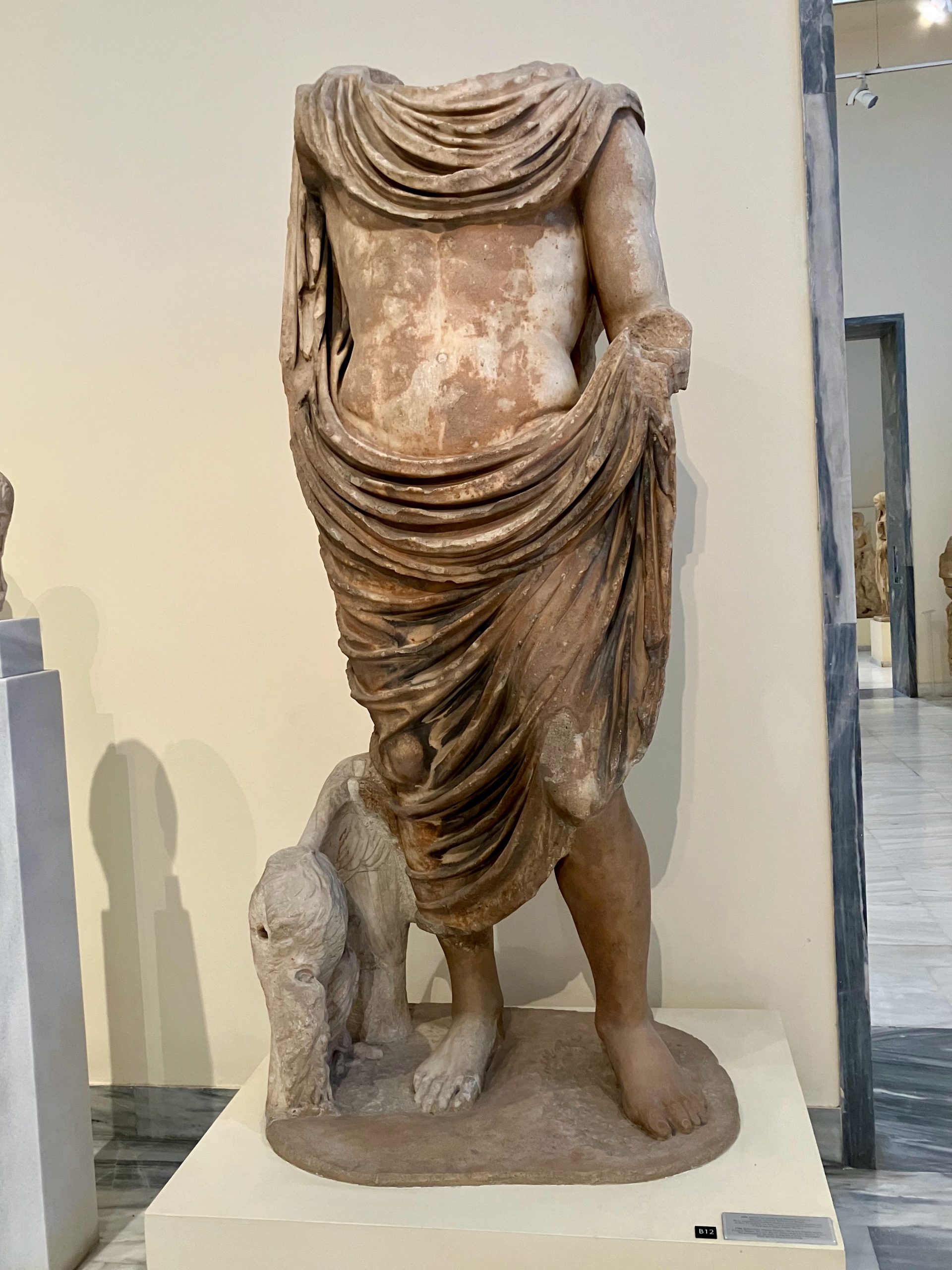
This may well have had resonances in ancient Greece, where the worship of the Emperor, though not yet fully fledged, was beginning to gain ground. Here is a statue of the Emperor Claudius (AD 41–54, Emperor around this time), depicted as the god Zeus with an eagle:
** Explanation from the Greek construction.
ὑπὸ τῶν Ἰουδαίων τῶν καὶ τὸν κύριον ἀποκτεινάντων Ἰησοῦν καὶ τοὺς προφήτας … (1 Thessalonians 2:14b–15a)
Expansive translation bringing out the meaning: “by the Jews, i.e., those Jews who killed both the Lord Jesus and the prophets …”
The construction is: Article (τῶν) + Substantive (Ἰουδαίων) + Article (τῶν) + Participle phrase (… ἀποκτεινάντων …)
This construction is often used to identify a broad category first then to restrict it to a particular group within that category. Examples include Matt 10:6; 15:24, “the sheep – i.e. those sheep who are lost of the house of Israel”; Matt 21:15, “the children – i.e. those children who are crying out in the temple”. So here, the construction is not meant to cover all Jews, as the comma would suggest. It does not mean “the Jews – who were the people who killed the Lord Jesus and the prophets”. Instead, the construction is better read to mean “the Jews – i.e. those Jews who killed the Lord Jesus and the prophets” – in contrast to the other Jews Paul mentions in verse 14, i.e., those people in Judea who believed in Jesus and formed churches. Hence the comma at the end of verse 14 gives entirely the wrong impression.